
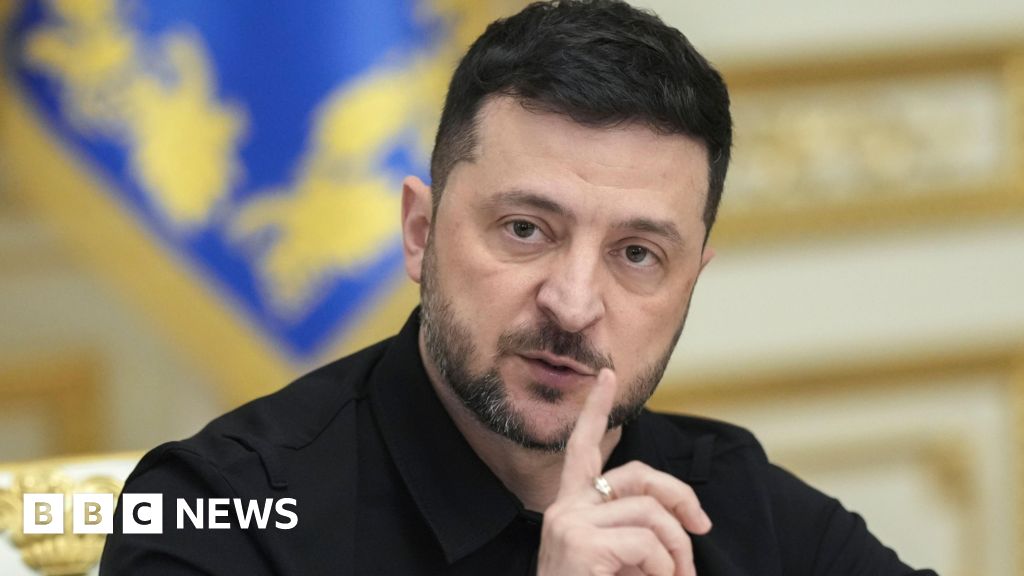
Ukrainian President Volodymyr Zelensky has announced plans to reform state-owned energy companies in response to a significant corruption scandal affecting the sector. Anti-corruption investigators reported an estimated $100 million has been embezzled, a situation that has provoked public outcry amid ongoing Russian attacks that have resulted in severe power outages across the country.
In a post on social media, Zelensky emphasized the need for a thorough audit of these companies’ financial activities and indicated that management changes would occur soon. He noted that Energoatom, the state nuclear enterprise central to the scandal, would have a new supervisory board established within a week.
This scandal is occurring during a period of increased Russian military action targeting Ukrainian energy infrastructure, including substations vital for nuclear power plants. In light of these events, Zelensky directed government officials to establish continuous communication with law enforcement and anti-corruption entities.
In addition to overseeing Energoatom, Zelensky has called for the swift appointment of a new leader for Ukrhydroenergo, the country’s hydropower company, and reforms for Naftogaz, the oil and gas giant, as well as the Gas Transmission System Operator. Reports indicate that the investigation, which has been ongoing for 15 months, has implicated various members of the government, including close associates of Zelensky, such as Justice Minister Herman Halushchenko and former Deputy Prime Minister Oleksiy Chernyshov.
Zelensky has reiterated his commitment to cooperate fully with the investigation and stressed the importance of transparency in the energy sector. However, the scandal has raised questions about his dedication to combating corruption, particularly following his earlier decision to limit the independence of anti-corruption bodies. While he later reversed that decision under pressure from European allies and G7 ambassadors, concerns about the integrity of his anti-corruption efforts remain.
Source: https://www.bbc.com/news/articles/cvgwyyd8l58o?at_medium=RSS&at_campaign=rss