
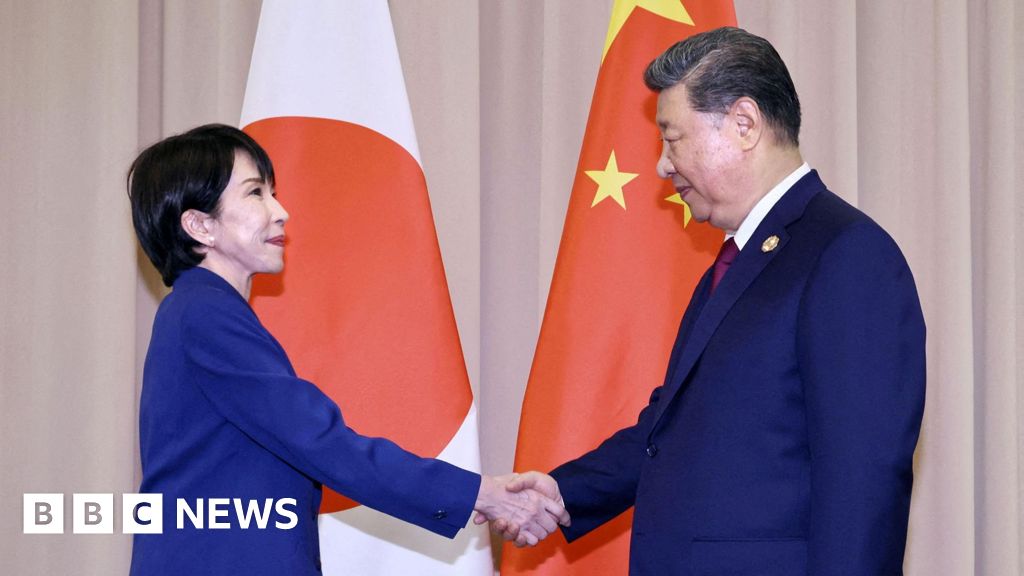
Recently, tensions have escalated between China and Japan following remarks made by Japanese Prime Minister Sanae Takaichi regarding Taiwan. On October 31, Takaichi suggested that Japan might activate its self-defense forces in the event of a Chinese attack on Taiwan. This statement prompted China to summon the Japanese ambassador in Beijing and issue a travel advisory discouraging its citizens from visiting Japan.
Takaichi’s comments were made during a parliamentary meeting in Japan, where she responded to a query concerning what type of situation regarding Taiwan would be seen as a threat to Japan’s survival. She characterized military conflict, specifically involving battleships, as potentially threatening. This notion falls under a legal definition in Japan’s 2015 security law, which allows the activation of self-defense forces in response to threats against allies.
China’s foreign ministry condemned Takaichi’s remarks as “egregious” and referred to them as a significant escalation. The situation intensified when Xue Jian, China’s consul general in Osaka, made a comment interpreted by some as a threat directed at Takaichi. Following the backlash, both nations registered formal protests against each other’s officials’ statements. China called Takaichi’s remarks “extremely wrong and dangerous,” demanding their retraction.
In a broader context, this dispute reflects the long-standing animosity between China and Japan, rooted in historical conflicts, particularly during World War II. While Japan typically adopts a position of “strategic ambiguity” regarding Taiwan—favoring dialogue and peaceful resolution—Takaichi’s stance diverges from this policy, amplifying concerns in Beijing. The Japanese government maintains that its position regarding Taiwan remains unchanged, advocating for a peaceful resolution while urging China to take action regarding provocative statements.
In light of this recent exchange, questions arise regarding the potential implications for regional stability and international relations, particularly concerning military alliances and responses to escalating tensions around Taiwan.
Source: https://www.bbc.com/news/articles/crklvx2n7rzo?at_medium=RSS&at_campaign=rss