
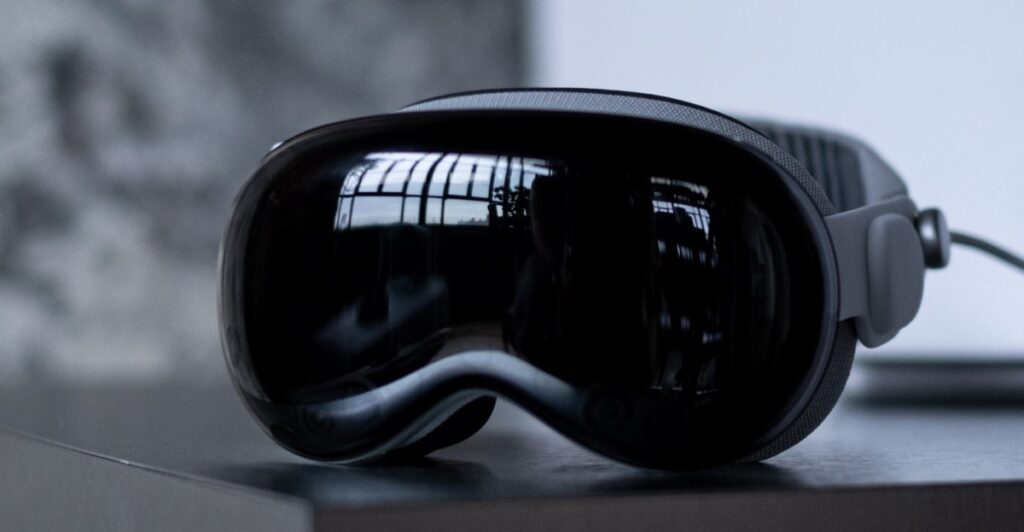
Over the past month, three new virtual and mixed reality headsets have been launched or announced: Apple’s M5 Vision Pro, Samsung’s Galaxy XR, and Valve’s Steam Frame. Despite this increased attention, experts caution that these devices are not yet positioned to replace mainstream technology like smartphones. According to Tuong Huy Nguyen of Gartner, the market is saturated with existing VR headset owners.
Data from IDC indicates that approximately 400,000 Vision Pro headsets shipped in 2024, attributed largely to their high price of $3,500. In contrast, Meta’s more accessible headsets, priced between $300 and $500, saw shipments of around 5.6 million units during the same period. This establishes a stark contrast with the 1.2 billion smartphones shipped globally.
Industry insights from Counterpoint Research suggest that premium headsets, those exceeding $1,000, may only represent about 5% to 6% of the total VR market by 2025. Despite these figures, major technology firms continue investing heavily in VR and mixed reality, with Meta’s Reality Labs reporting a significant operational loss.
Those purchasing headsets predominantly include developers and enterprises rather than average consumers. For instance, Apple’s Vision Pro has gained traction within the enterprise sector, capturing about 30% of the market, and users often cite improving workflow as a primary motivation for their purchase.
While headsets have their advantages, such as replacing multiple conventional screens, challenges remain, including comfort and sustained investment from companies. Developers and businesses express some uncertainty regarding the commitment of leading companies to the category, considering the risk of halted projects. Overall, the market remains specialized, indicating that while there is interest and potential, widespread adoption is still evolving.
Source: https://www.theverge.com/tech/820416/vr-xr-headsets-vision-pro-galaxy-xr-steam-frame-enterprise