
US President Donald Trump is facing public dissatisfaction regarding his economic management and has proposed several initiatives aimed at addressing consumer concerns. Historically, Trump has minimized worries about the cost of living, framing them as a deceptive narrative put forth by Democrats. However, following disappointing results for the Republican Party in recent elections, he appears to be prioritizing economic issues more seriously.
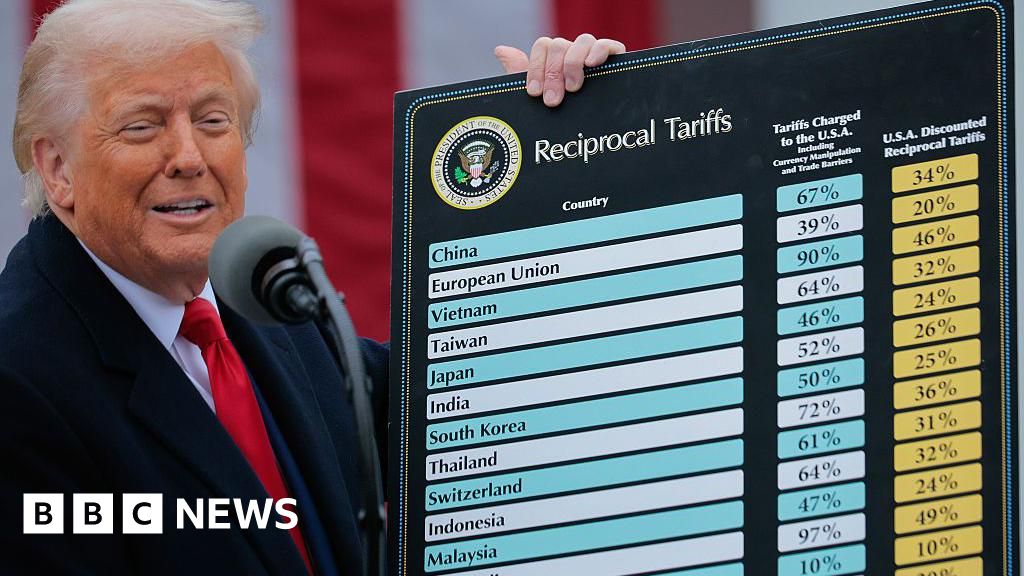
One core proposal is a $2,000 subsidy for most Americans, which would effectively function as a rebate from revenue generated through tariffs on foreign imports. Trump has indicated that any excess revenue would be directed toward reducing the federal budget deficit. Economists have raised questions about the feasibility of funding this plan, suggesting that tariff revenues may be insufficient, estimating the minimum cost to be around $300 billion for households with incomes under $100,000. There are also concerns that such payments could inflate prices by increasing consumer spending in the economy.
Treasury Secretary Scott Bessent has suggested that projected tariff revenues might instead translate into lower taxes under Trump’s forthcoming spending bill. In the recent elections, economic concerns emerged as a dominant issue for voters, influencing the success of several Democratic candidates, who capitalized on the cost-of-living narrative.
Additionally, Trump has proposed promoting 50-year mortgages to help ease home ownership, a suggestion that has faced skepticism from some Republican legislators. He has also considered converting expired government health insurance subsidies into direct cash payments, potentially allowing consumers greater flexibility in choosing their insurance.
These proposals would likely require congressional approval, which is uncertain given the narrow majorities held by Republicans. Overall, Trump’s pursuit of new economic policies appears to be a response to shifting public sentiment and concerns surrounding his administration’s performance on economic issues.
Source: https://www.bbc.com/news/articles/c231y3dm8jko?at_medium=RSS&at_campaign=rss