
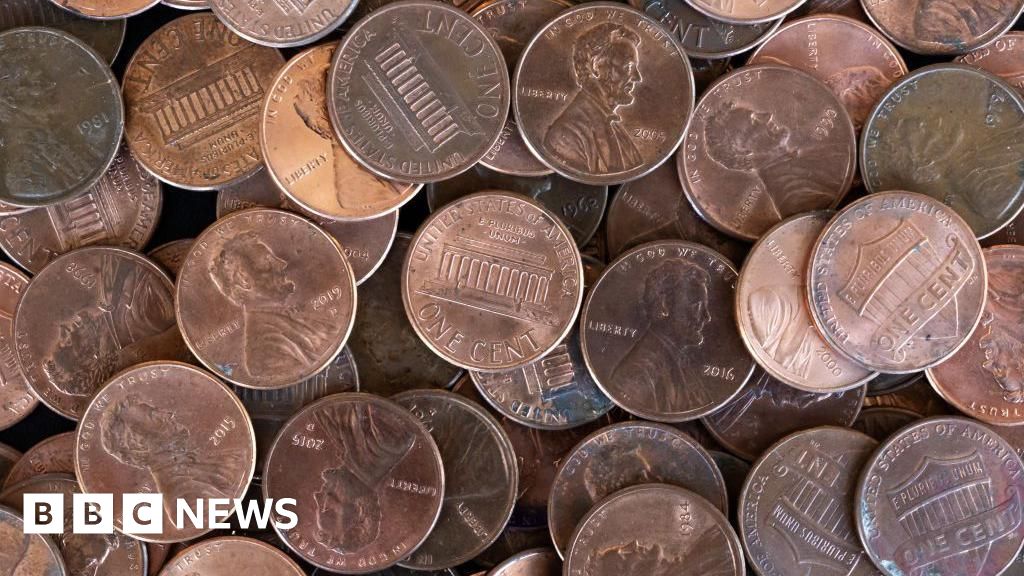
The U.S. Mint is set to produce its final batch of pennies on Thursday, marking the end of over 230 years of penny production. The coins will continue to circulate, but businesses have begun adjusting prices, citing a decreasing availability of pennies.
The decision to cease penny production is projected to save the government approximately $56 million annually. Currently, it costs nearly four cents to produce each penny, which is significantly higher than the production cost a decade ago. The Treasury Department emphasizes that the rise in electronic payments has diminished the relevance of the penny, which has been in circulation since 1793.
Estimates suggest that approximately 300 billion pennies will remain in circulation, far exceeding the amount needed for everyday transactions. Many of these coins are inactive; a government report from 2022 indicated that around 60% of coins in the U.S.—amounting to $60-$90 per household—are stored at home and not traded in.
While the withdrawal of pennies may prompt businesses to round up prices, leading to an estimated additional expense of $6 million annually for consumers, this change comes as various countries have already phased out their lowest denomination coins. Canada discontinued one-cent coins in 2012, while Australia and New Zealand retired one and two-cent coins in the 1990s.
In the U.S., attention is now shifting to the nickel, which costs nearly 14 cents to produce. Should the nickel also be retired, it could result in a greater financial impact on consumers, with potential costs reaching $55 million per year according to a study from the Richmond Federal Reserve.
Source: https://www.bbc.com/news/articles/cq8392vx8plo?at_medium=RSS&at_campaign=rss