
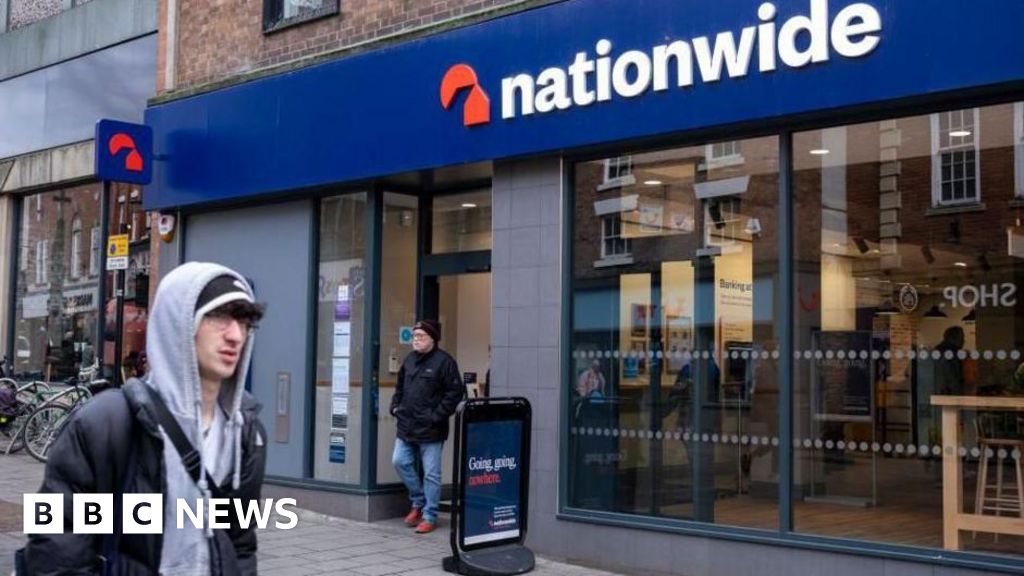
Nationwide, the UK’s largest building society, has announced that it will keep all 696 of its branches open until at least 2030. This decision represents a two-year extension of its previous commitment made in 2023. The announcement follows an increase in branch customers over the past year, which contrasts with the widespread trend of branch closures in the banking sector as more customers shift towards online banking.
Concerns have been raised by charities regarding the potential impact of branch closures on vulnerable individuals’ access to cash and essential financial services. Reports indicate that these closures also affect UK High Streets. Nationwide’s Chief Executive, Debbie Crosbie, emphasized the importance of branches to both customers and communities. Notably, over the past decade, Nationwide closed 152 branches, accounting for 20% of its network, before committing to this non-closure promise.
In a recent incident, Nationwide faced scrutiny for an advertisement featuring actor Dominic West that claimed the society would not close branches; this ad was later banned. The bank has recorded that over 6,000 bank branches closed across the UK in the last ten years, reflecting changing customer habits as few people visit branches regularly.
Nationwide’s acquisition of Virgin Money last year includes its 91 branches in the new promise. The society has noted an increase in the use of in-branch cash machines, indicating that security is a key concern for customers. Managers in branches like Reading have stated that personal service can significantly impact clients financially and emotionally.
In contrast to the trend of closing branches, Newcastle Building Society has opened several new ones, including a flagship five-floor branch and counters in public spaces like libraries. This approach highlights the role of local branches in generating funding for mortgages and providing accessible financial advice. Additionally, nearly 200 shared banking hubs across the UK offer services from multiple banks, primarily managed by the Post Office.
Source: https://www.bbc.com/news/articles/c4gk44gm4mpo?at_medium=RSS&at_campaign=rss