
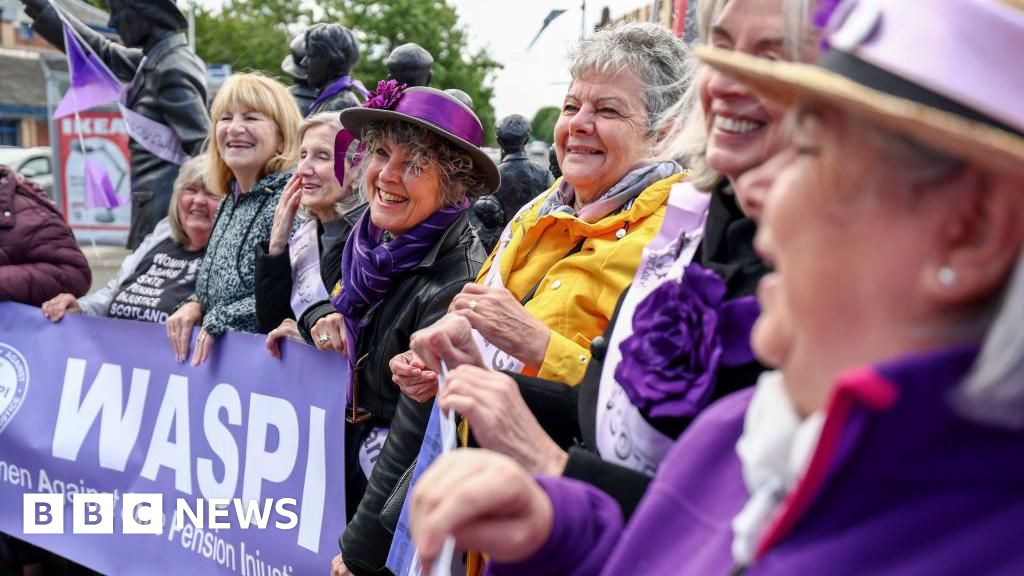
The government has announced a reassessment of its decision to deny compensation for women affected by changes to the state pension age. This reevaluation comes in response to claims from campaigners that 3.6 million women born in the 1950s were inadequately informed about the adjustments made to align their pension age with that of men. An apology was issued last year regarding a 28-month delay in notifying these women, but the government had dismissed the notion of any financial compensation.
Recently uncovered documentation that was not previously reviewed has prompted this reconsideration. However, the government has stressed that this does not assure any financial redress. Current Pensions Secretary Pat McFadden indicated in Parliament that simply revisiting the decision should not be interpreted as an endorsement of compensation. He referenced undisclosed evidence from a 2007 survey and assured that further checks would be conducted to locate any additional relevant documents. No specific timeline for this review has been provided.
Angela Madden, chair of Women Against State Pension Inequality (WASPI), expressed that the government’s acknowledgment of prior mistakes is a positive development but emphasized the need for prompt action, advocating for immediate compensation for those affected.
Past recommendations from a parliamentary ombudsman suggested compensation amounts ranging from £1,000 to £2,950 for each individual, yet the government has previously refuted these suggestions, arguing lack of evidence for direct financial loss. The WASPI campaign aims for compensation of at least £10,000 per individual and is pursuing legal avenues against the government’s earlier decisions regarding compensatory payouts. The case is expected to be heard in the High Court in December.
State pension age reforms were implemented to address increasing life expectancy, with the current pension age set at 66 for both genders. Historically, men received their pensions at age 65 while women at 60, with a gradual plan initiated in 1995 to equalize this age. However, subsequent acceleration of these changes by the 2010 coalition government has generated significant controversy, particularly concerning the notification process for those impacted.
Source: https://www.bbc.com/news/articles/c709y7ln5zro?at_medium=RSS&at_campaign=rss