
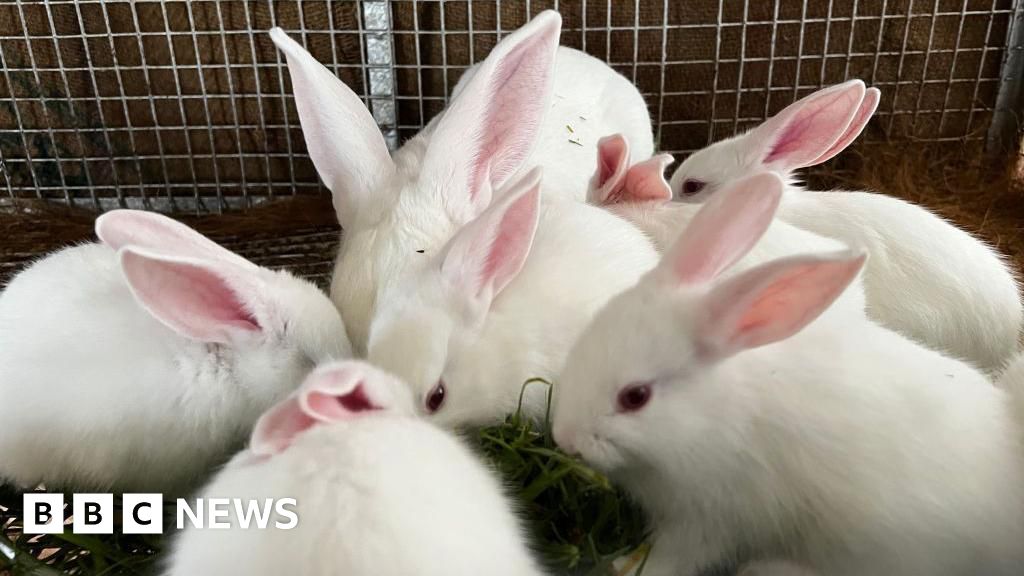
The UK government has introduced a plan to gradually phase out animal testing, fulfilling its manifesto pledge. This initiative includes the aim to replace animal testing in certain major safety tests by the end of this year and to reduce the use of dogs and non-human primates in human medicine experiments by at least 35% by 2030.
Science Minister Lord Vallance has expressed optimism about significantly reducing animal testing in the future, although he acknowledged the challenges ahead. He highlighted the importance of transitioning to alternative methods, such as experiments involving animal tissues grown from stem cells, artificial intelligence, and computer simulations.
Animal testing in the UK peaked at 4.14 million experiments in 2015 due to an increase in genetic modification studies but dropped sharply to 2.88 million by 2020 as alternative methods were developed. However, this decline has since plateaued. The government aims to reinitiate this downward trend by shifting to lab methods that utilize human cells, with plans to stop using animals for certain safety tests by the end of 2025.
Experts have mixed opinions regarding the feasibility of reaching a “near zero” level of animal testing. While some, like Professor Frances Balkwill, believe that complete elimination is unlikely due to safety concerns associated with complex biological systems, others argue that non-animal methods will never fully replicate the intricacies of living organisms.
Additionally, the UK’s Centre for Predictive in vitro Models is working on innovative technologies like “organ-on-a-chip” systems, which could serve as alternatives to animal testing. The government plans to establish a Centre for the Validation of Alternative Methods to streamline the transition to non-animal techniques. While the RSPCA has cautiously endorsed this plan, some scientists have raised concerns about potentially rushing this transition, fearing it could hinder scientific progress in complex areas of research.
Source: https://www.bbc.com/news/articles/cm2lpekjeg9o?at_medium=RSS&at_campaign=rss