
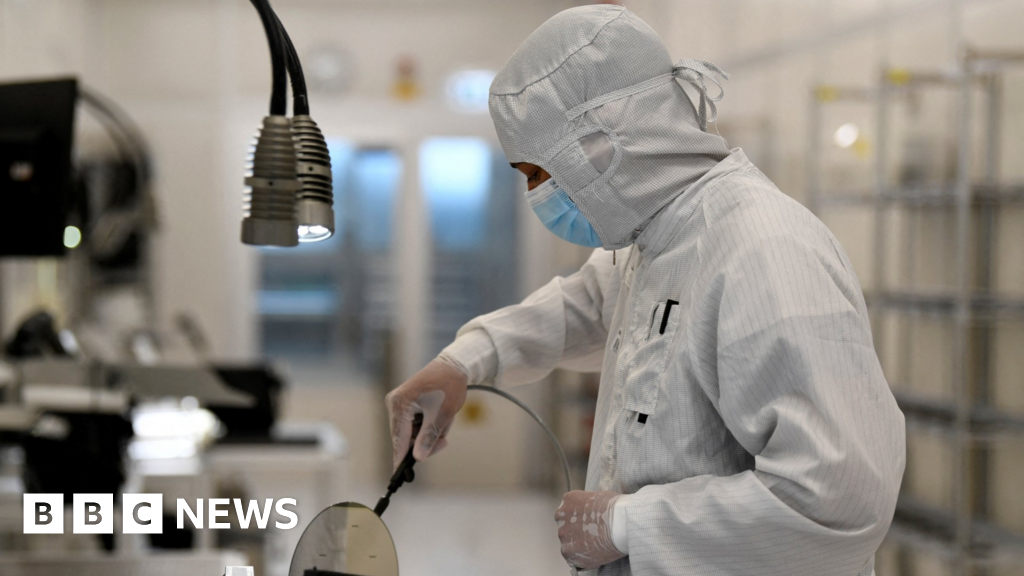
In late September, the Dutch government invoked a Cold War-era emergency law to take control of Nexperia, a semiconductor company owned by a Chinese firm. This action has raised concerns in the global motor industry, which is already struggling due to U.S. tariffs and Chinese restrictions on rare earth exports. The Dutch Minister of Economic Affairs identified “serious governance shortcomings” at Nexperia that posed risks. The Dutch government’s statement emphasized that this measure is exceptional, intended to ensure uninterrupted supply and the protection of critical technologies in Europe.
In response, China criticized the move, alleging foreign interference. It implemented export controls on Nexperia chips produced in China and halted shipments to Europe, while the Dutch government froze shipments of essential materials necessary for chip production in China. This disruption has focused attention on vulnerabilities in the global supply chain for automotive-related semiconductors.
Nexperia manufactures legacy semiconductors vital to various vehicle functions. Around 70%-80% of its production is sent to China for processing, exposing car manufacturers to supply chain risks linked to Beijing’s influence. Experts highlighted that this situation exemplifies the repercussions of deteriorating business ties between the West and China.
Simultaneously, a Dutch court suspended Nexperia’s former CEO due to allegations of mismanagement. Reports indicated that U.S. authorities had previously expressed concerns regarding the company’s leadership and governance issues. The Dutch government asserts that the takeover is not a response to foreign pressure, although evidence suggests potential misdirections of company resources to China.
The incident has fostered uncertainties in the European vehicle supply sector, prompting calls for clarity regarding exemptions and increasing bureaucracy during an already challenging period. As negotiations between the EU and China continue over semiconductor flows, the Nexperia situation underscores the fragility of international supply chains and economic relations.
Source: https://www.bbc.com/news/articles/cr43kyn9d6po?at_medium=RSS&at_campaign=rss