
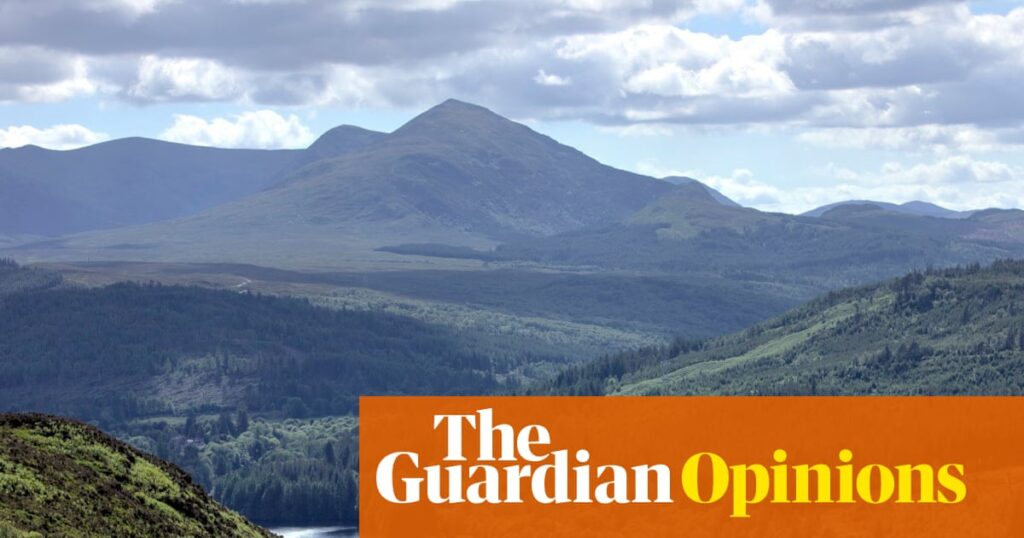
Scotland has one of the most concentrated private land ownership structures in Europe, with approximately half of all privately held rural land being owned by a mere 421 individuals or entities. This concentration is largely attributed to historical events, particularly the Highland clearances of the 18th and 19th centuries. Contrary to trends seen in other parts of Europe, where large estates have been fragmented due to inheritance and taxation, Scottish land remains predominantly in the hands of a few.
Recent discussions regarding land reform aim to address these disparities. Proponents of the new land reform bill believe it will empower the Scottish government to engage in private land transactions and potentially mandate the division of large estates. A critical aspect of this legislation is the “transfer test,” which requires that Scottish ministers be notified prior to any land sales exceeding 1,000 hectares, although they do not have formal veto power. Critics suggest the bill could have been more robust if it had included a public interest test, as proposed by the Scottish Land Commission in 2019, which would compel substantial buyers to justify their acquisitions.
While the bill aims to provide communities with opportunities to challenge large land sales, the effectiveness may be limited due to economic constraints in rural areas. New rules intended for the subdivision of land into smaller lots may help diversify ownership; however, experts like Andy Wightman contend that landowners may still buy back these smaller plots, thereby maintaining the status quo. Wightman advocates for treating land as a public resource to address existing inequalities.
Historically, discussions surrounding land reform have been stalled by wealthy landlords’ influence in government, a situation that changed with devolution in 1999. Nonetheless, significant legislative shifts have yet to materialize. Suggestions have been made for implementing local land levies to fund community projects, drawing inspiration from Nordic countries that foster smaller rural holdings through smart taxation.
The issue of land ownership has resurfaced in recent political debates, particularly in relation to Scotland’s independence campaign in 2014, when it highlighted questions of power and sovereignty. Recently, the Scottish National Party voted against proposals to limit land ownership by single entities, a decision that raised concerns about maintaining existing power structures rather than implementing meaningful reform. The future of land ownership in Scotland appears to hinge on the willingness of its political landscape to embrace change.
Source: https://www.theguardian.com/commentisfree/2025/nov/09/the-guardian-view-on-scottish-land-reform-vast-estates-remain-feudal-in-scale