
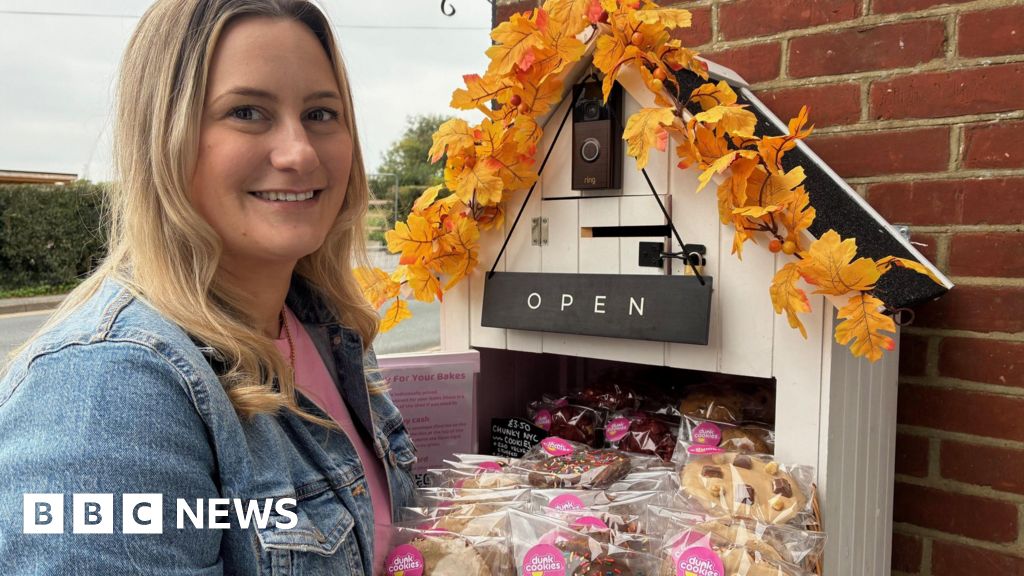
Honesty boxes, typically found at rural roadside locations, have traditionally offered local produce in exchange for cash donations. Despite the decline in cash transactions and the rise of digital payment methods, many honesty boxes are thriving. Some entrepreneurs are employing QR codes for online payments and are using social media to promote their offerings, attracting customers from further afield.
One such example is the Blean Bakery Box, run by Annabelle Cox in Kent. Cox, who started her business Dunk Cookies just before the pandemic, introduced an honesty box earlier this year. The box, which offers cookies and various other treats, has proven financially beneficial, allowing her to cover her bakery’s rent. She notes that the honesty box provides a means for her to engage with the community directly, rather than solely relying on online sales.
Cox replenishes the box daily, noting that it often sells out quickly. The use of social media, where she posts updates and engages customers, has been advantageous. She reports that approximately 90% of transactions occur through scanning a QR code for online payment. Some customers even use the doorbell linked to her bakery for assistance or to clarify payment details, promoting both convenience and security.
Matthew Hayden, owner of a nearby pub, has lent his space for the honesty box free of charge, citing the community aspect of supporting local businesses. Given the trends in consumer habits, where many now prefer using mobile payments, Hayden notes that in his pub, most transactions are done electronically. Data indicates that half of UK adults have adopted mobile payment methods.
While honesty boxes have adapted to modern payment technologies, the traditional format remains common. Various farms continue to utilize cash-based honesty boxes to sell produce, indicating that while digital payments are on the rise, some aspects of the honesty box model endure in rural areas.
Source: https://www.bbc.com/news/articles/cjd05rj5xl9o?at_medium=RSS&at_campaign=rss