
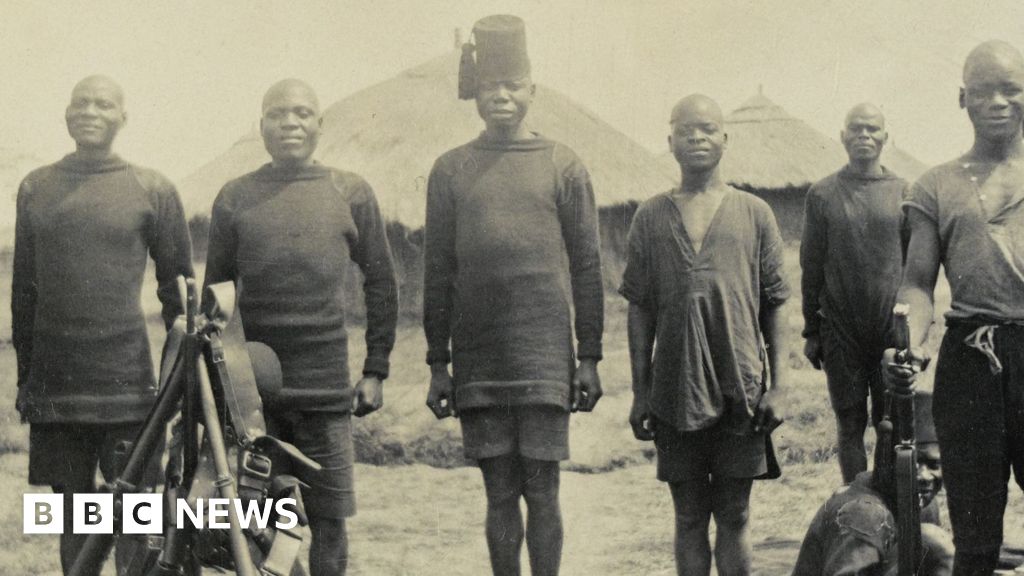
On June 13, 1943, Mutuku Ing’ati, a Kenyan soldier, was killed in action while serving with the East African Scouts, a regiment of the British army during World War II. He had left his home in southern Kenya and disappeared without explanation, leaving his family to search for answers for decades. Recently, the Commonwealth War Graves Commission (CWGC) unearthed records that documented his service, prompting his nephew, Benjamin Mutuku, to learn about his uncle’s fate.
Mr. Ing’ati had traveled to Nairobi, approximately 180 kilometers from his village, to enlist shortly before his death. His recruitment was part of a broader effort during the wars to enlist men from the British Empire, including many Kenyans. Unfortunately, like thousands of other Kenyan soldiers, Mr. Ing’ati’s family was not informed of his death or burial location, meaning his final resting place remains unknown.
As the UK observes Remembrance Sunday, many Kenyan soldiers’ contributions go unrecognized, exemplifying a larger narrative of oversight regarding their service in the world wars. Benjamin Mutuku, who shares his uncle’s name, expressed a sense of connection and disappointment that his uncle’s body is not buried in Syamatani, where his family believes he should be laid to rest.
The CWGC is presently engaged in efforts to uncover details about Kenyan and other East African soldiers who fought during both World Wars. Researchers recently discovered a wealth of colonial military records that include stories of over 3,000 soldiers who served during World War I, with a goal of acknowledging their sacrifices. Historians involved in this project emphasize the importance of these personal histories not only for families but also for educating future generations about the significant roles played by African soldiers in these conflicts.
Source: https://www.bbc.com/news/articles/cly2e89eqnvo?at_medium=RSS&at_campaign=rss