
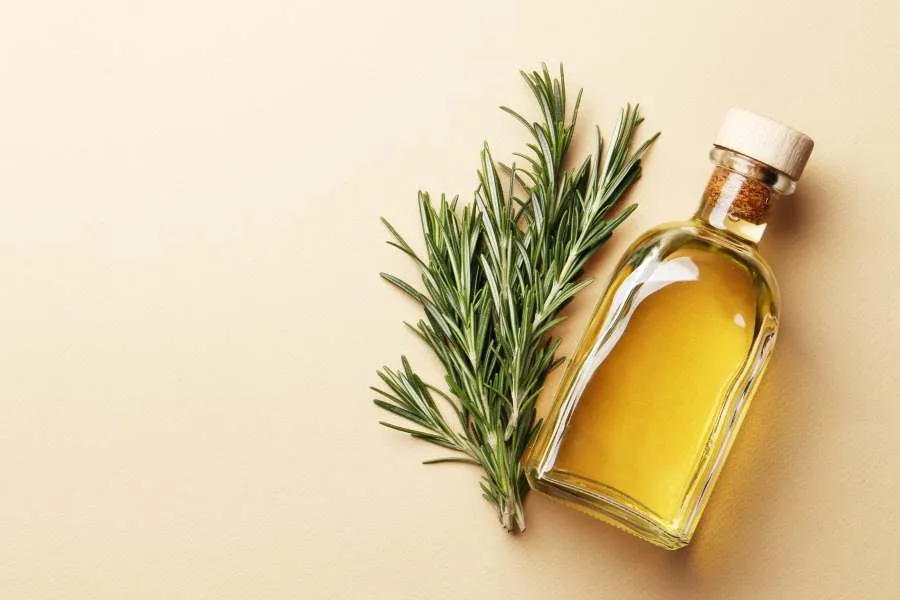
Researchers in the United States have validated the skin healing properties of rosemary leaves in a recent study. The research identified that Carnosic acid, a compound derived from rosemary, can enhance the healing of skin wounds and potentially prevent scarring. The findings have surfaced amid the growing popularity of rosemary in beauty circles on social media platforms.
Thomas Leung, an associate professor of Dermatology at the University of Pennsylvania, emphasized that scars from skin injuries can lead to cosmetic and functional challenges for some individuals. He noted that rosemary extract, particularly the antioxidant Carnosic acid, may promote healthy skin regeneration instead of scarring. However, the results are not yet confirmed for human application.
This study, which appears in JCI Insights, was motivated by social media trends showcasing homemade skincare products incorporating rosemary. Researchers conducted experiments on mice, applying a cream containing Carnosic acid to facilitate wound closure and to support the recovery of hair follicles, oil glands, and cartilage.
The research indicated that Carnosic acid aids skin tocopherols in protecting against oxidative stress. While investigating its effectiveness, scientists discovered that the TRPA1 receptor, crucial for wound healing, played a vital role in the healing process; testing showed that the rosemary cream was ineffective in mice lacking this receptor.
- Why it matters:
- This research may lead to new scar healing treatments, benefiting individuals with skin injuries.
- Beauty businesses could explore rosemary-based products, enhancing their offerings in the skincare market.
- The latest:
- Further studies are needed to confirm the findings in human subjects.
Source: https://www.personalcareinsights.com/news/rosemary-skin-healing-study.html
Source: https://www.personalcareinsights.com/news/rosemary-skin-healing-study.html