
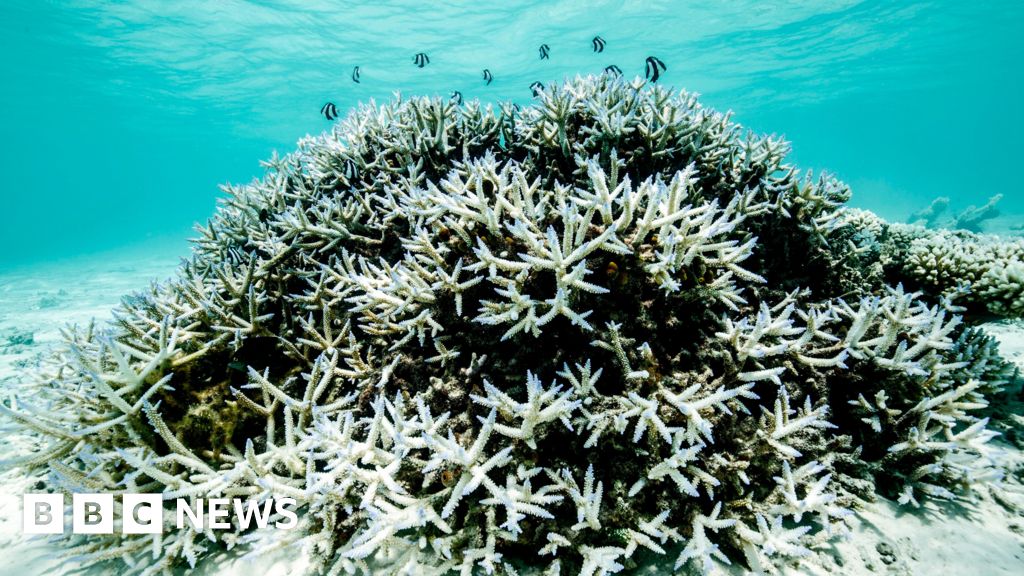
A recent study from the University of Queensland presents a concerning outlook for the Great Barrier Reef, predicting a potential “rapid coral decline” by 2050. The research indicates that although parts of the reef may be able to recover if global warming is limited to below 2°C, significant challenges remain.
The researchers utilized modeling techniques to simulate the lifecycles of various coral species, revealing that some coral types exhibit a greater ability to adapt to higher ocean temperatures. Additionally, reefs located near cooler-water currents show increased resilience, offering a possibility for recovery amidst ongoing climate challenges.
The study emphasizes the critical need for reduced carbon emissions to facilitate coral recovery and avoid a near collapse of the reef ecosystem. Dr. Yves-Marie Bozec, the lead researcher, highlighted the examination of over 3,800 reefs within the Great Barrier Reef system, focusing on their interactions and responses to temperature changes.
Dr. Bozec expressed concern that a rapid decline in coral is forecasted regardless of emissions scenarios. While there might be opportunities for partial recovery post-2050, this is contingent on maintaining ocean warming at manageable levels, allowing corals to adapt effectively.
Previous data shows that the Great Barrier Reef has been significantly affected, experiencing four notable marine heatwaves between 2016 and 2022, leading to substantial coral bleaching events. A recent report indicated that some areas of the reef had the largest annual decline in coral cover recorded in nearly 40 years.
The study’s findings align with the goals of the Paris Agreement, which aims to limit global temperature increases to 1.5°C and keep them “well below” 2°C compared to pre-industrial levels. The researchers concluded that identifying more resilient reef areas could help focus conservation efforts strategically.
Source: https://www.bbc.com/news/articles/cx274lj661lo?at_medium=RSS&at_campaign=rss