
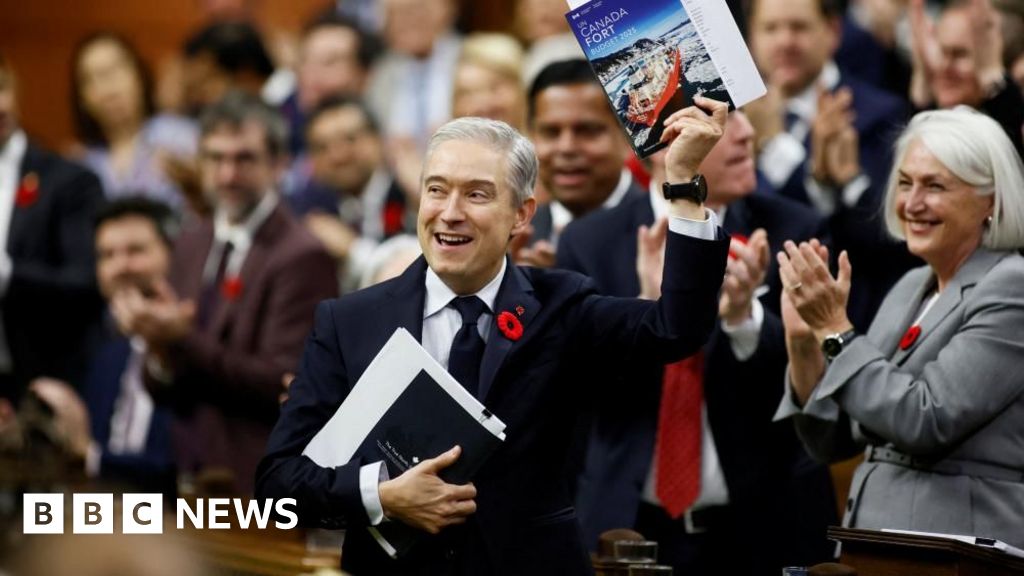
Canadian Prime Minister Mark Carney has announced his first federal budget as part of a strategic plan aimed at enhancing the country’s economic strength within the G7. The budget, introduced by Finance Minister François-Philippe Champagne, outlines a significant investment of C$280 billion to develop various sectors such as highways, ports, electrical grids, and housing. However, the plan could increase Canada’s deficit to C$78.3 billion.
Carney’s administration asserts that these investments will attract C$1 trillion in foreign investments over the next five years. To balance the spending, the budget anticipates C$60 billion in spending cuts over five years, including a reduction of 40,000 public sector jobs, amounting to approximately 10% of the workforce.
The budget also reflects a shift in trade strategy as Canada seeks to diversify its trading relationships, particularly in light of tariffs imposed by the United States. Measures are proposed to help businesses explore new markets in Europe and Asia, aiming to double non-US exports in the next decade. Tax incentives include a planned reduction of Canada’s marginal effective tax rate from 15.6% to 13.2%.
Additionally, Carney’s plan emphasizes the development of clean energy initiatives, including low-emission energy projects and carbon capture technologies, alongside commitments to military spending in response to international security challenges.
Significant departures from former Prime Minister Justin Trudeau’s policies are evident, including cuts in immigration targets and the cancellation of particular climate initiatives. [Context: This budget outlines Carney’s direction for Canada’s economic resilience amid global shifts.] Ultimately, the strategies presented aim to solidify Canada’s position in the changing geopolitical landscape.
Source: https://www.bbc.com/news/articles/ce8zzv1ypkpo?at_medium=RSS&at_campaign=rss