
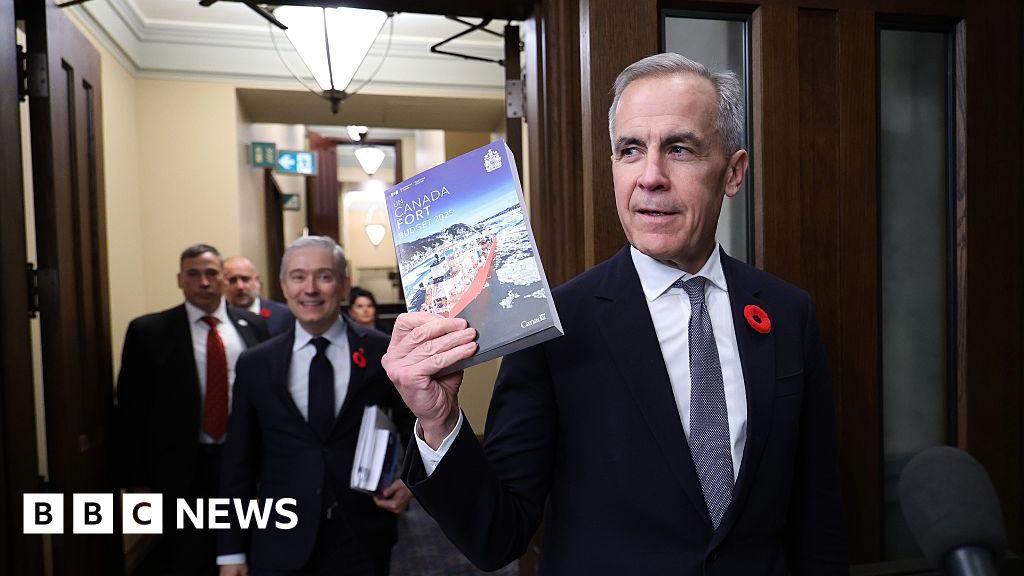
Canada’s Prime Minister Mark Carney has introduced his first federal budget with a focus on transforming the economy and addressing challenges related to U.S. tariffs. This budget, labeled an “investment budget,” is set to increase Canada’s deficit to C$78 billion (approximately $55.3 billion), marking the second largest deficit in Canadian history.
The government aims to attract C$1 trillion in investment to Canada over the next five years, claiming that cuts to spending would jeopardize essential social programs and future funding. The budget also includes reductions, notably a planned decrease of about 10% in the federal workforce over the coming years.
Presented by Finance Minister François-Philippe Champagne in the House of Commons, the budget emphasizes the need for “bold and swift action” in light of “profound change” facing Canada. A significant concern is the impact of U.S. tariffs, imposed earlier this year by President Donald Trump, including a broad 35% levy on Canadian goods not covered by existing trade agreements. These tariffs have already resulted in job losses in affected sectors like steel, aluminum, and automobiles, raising concerns among business leaders about investment climate uncertainties in Canada.
To mitigate these effects, the budget proposes C$280 billion in spending over five years aimed at enhancing productivity, competitiveness, and resilience. This includes updates to trade infrastructure and financial support for firms affected by tariffs. The intention is to make Canada a more appealing destination for business compared to the U.S.
The budget also commits nearly C$82 billion to defense over five years, aligning with NATO spending commitments. Moreover, it allocates nearly C$1 billion to advance artificial intelligence integration in government operations.
Carney’s government has also signaled potential sacrifices, including 40,000 job losses in the federal workforce by 2029 and a reduction in international aid to pre-pandemic levels. Immigration targets will be slightly decreased over the next three years, particularly impacting student visas.
For the budget to be enacted, it must receive approval from Canada’s parliament, where Carney’s Liberal government currently lacks a majority. Opposition parties, including the Conservatives and the New Democratic Party, have expressed concerns regarding affordability and austerity measures, respectively. The government’s fiscal plan asserts that Canada retains the lowest deficit-to-GDP ratio in the G7, trailing only Japan.
Source: https://www.bbc.com/news/articles/cd04yde70jmo?at_medium=RSS&at_campaign=rss