
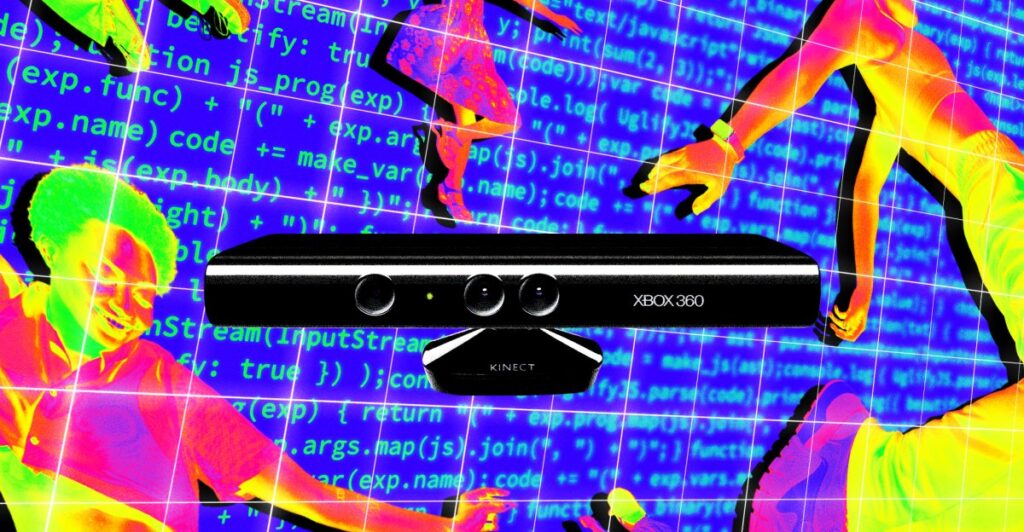
In 2010, Microsoft introduced the Kinect as a groundbreaking gaming device, allowing players to interact using their bodies. However, over the years, Kinect’s identity transformed, leading many to view it as a failure in gaming. While Microsoft misjudged the market demand for physical interaction in gaming, Kinect found new applications outside this realm.
Initially intended for gaming, the Kinect evolved into a tool for robotics and even briefly ventured into adult entertainment and ghost hunting. This transformation was largely driven by a community of hackers who created open-source drivers for the device, allowing it to operate outside the constraints of the Xbox 360.
Industry experts recognized that while the Kinect’s technology wasn’t entirely novel, it made advanced capabilities, such as depth sensing and gesture recognition, accessible at a lower cost. Before the Kinect, similar systems required significant financial investment, making this affordable version groundbreaking.
Hackers quickly mobilized to unlock the Kinect’s potential, with one organization even offering a bounty for creating open-source drivers. As the community worked to reverse-engineer the device, they faced technical challenges and expenses, particularly the need for specialized hardware to capture data communication between the Kinect and the Xbox.
Despite these hurdles, a race to develop the drivers ensued. Eventually, a hacker known as AlexP demonstrated control over the Kinect, which prompted a swift response from Microsoft. However, mitigated by the public’s interest and the community’s drive, the initial fears of legal repercussions faded.
As open-source drivers emerged, the Kinect became a platform for experimentation across various fields, from education to robotics. Although Microsoft discontinued Kinect, its underlying technology has continued to influence modern devices, including Apple’s products, highlighting a shift in how technology is perceived and utilized. The advent of AI also poses new questions about the Kinect’s future and relevance in creative applications.
Source: https://www.theverge.com/tech/812803/hacking-kinect-history