
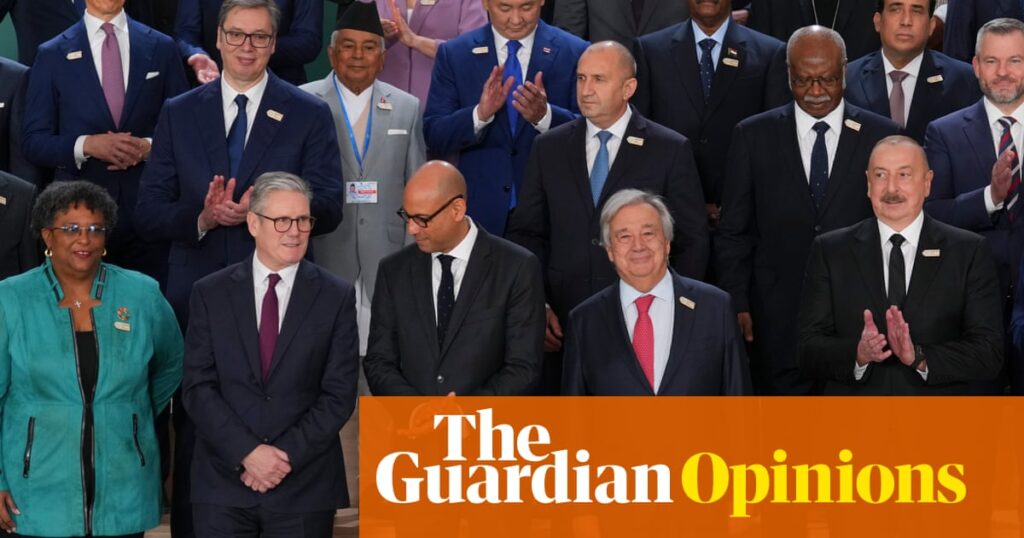
In light of the current geopolitical landscape and the evolving stance of the U.S. on climate issues, the responsibility for global environmental leadership increasingly shifts to other nations. This month, Brazil will host COP30, presenting an opportunity for leaders who prioritize climate action to form a coalition aimed at combating climate skepticism.
China has emerged as a leading manufacturer of renewable technologies but its recently submitted national emission goals, deemed inadequate by some, raise questions about its commitment to climate leadership. In contrast, the European Union, Norway, and the UK continue to promote green industrial policies and provide significant climate financing to developing nations, though the EU faces internal pressures that may impact its climate objectives.
Recent extreme weather events, such as hurricanes in Jamaica, have highlighted the vulnerabilities of climate-affected regions, exacerbating calls for immediate and effective action. Notably, the participation of UK leaders, such as Keir Starmer at COP30, underscores the importance of proactive policy-making that not only addresses climate change but also prioritizes human well-being and food security.
The Paris Agreement established a commitment to limit global temperature rise to below 2°C, with an ambitious aim of 1.5°C. However, data indicates that we are nearing that threshold, with emissions continuing to rise. The next few weeks will see critical announcements from major emitting countries on their climate targets for 2035, but concerns about ongoing gaps in commitments persist.
Addressing the climate crisis requires not only strengthening existing agreements but also innovative finance mechanisms and collaborative initiatives. Brazil’s proposal for a $1.3 trillion financing commitment for developing nations is notable, as is the focus on halting deforestation while providing employment to local communities.
Leaders face a crucial moment to reaffirm their dedication to effective climate action and multilateral cooperation, particularly as the world grapples with ongoing environmental challenges and shifting political dynamics. Following COP30 and the G20, the international community will be judged on its response to the pressing need for climate resilience and sustainability.
Source: https://www.theguardian.com/commentisfree/2025/nov/01/world-leaders-future-generations-judge-cop30-keir-starmer-gordon-brown