
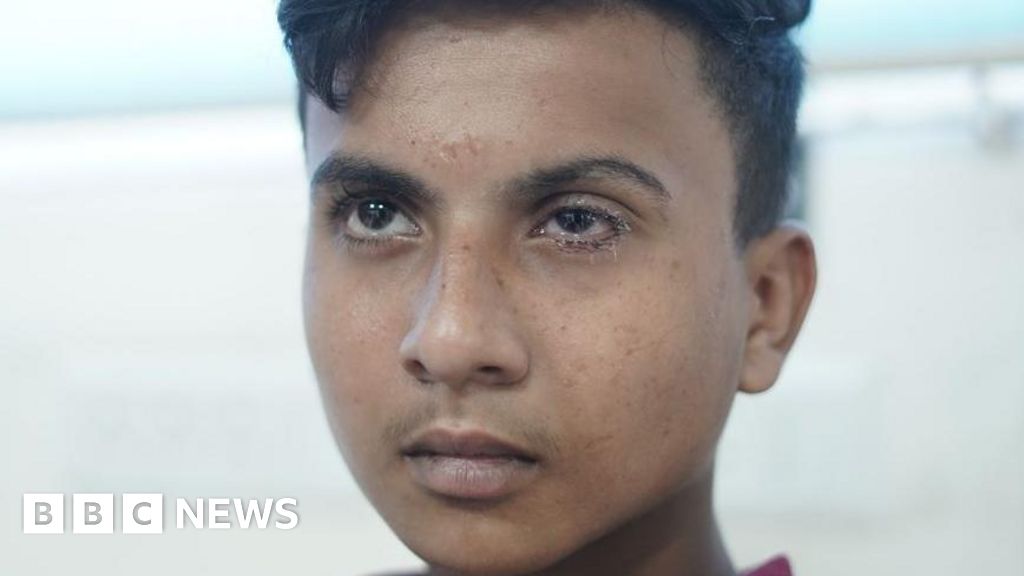
In Madhya Pradesh, India, a 15-year-old boy named Aarish suffered severe eye injury due to an improvised firecracker known as a “carbide gun.” This device exploded near his face during Diwali celebrations, resulting in damage to his left cornea and subsequent vision loss. Aarish has undergone emergency surgery, but the extent of his recovery remains uncertain. He expressed concern about missing work, as he helps support his family by repairing televisions.
Reports indicate that Aarish’s case is one among many, with over 100 incidents of eye injuries linked to carbide guns in Madhya Pradesh alone. Additional cases have emerged from other states including Bihar, Chhattisgarh, Jharkhand, Uttar Pradesh, and the capital, Delhi. In Bihar, 170 cases have been reported, with many requiring surgical intervention. In response to rising injuries, Madhya Pradesh has banned the use of carbide guns for fireworks, leading to several arrests.
The “carbide gun” operates by releasing acetylene gas when calcium carbide is mixed with water, producing an explosive effect. While its sale is regulated, these devices became popular in local markets ahead of the festival, especially after being showcased in viral social media videos. Many children have adopted them as economical alternatives for firecrackers, priced around 150-200 rupees.
Medical professionals have noted varying degrees of eye injuries among patients, with some experiencing minor burns and others suffering extensive corneal damage. Doctors have expressed surprise at the severity of these injuries associated with a conventional celebration’s traditional fireworks. The government has been urged to escalate efforts in regulating the sale and use of carbide, which is sometimes used illicitly to ripen fruits despite known health risks. The widespread use and novelty of carbide guns during festive occasions raise safety concerns as similar incidents may occur in future celebrations.
Source: https://www.bbc.com/news/articles/c3w9d7270x2o?at_medium=RSS&at_campaign=rss