
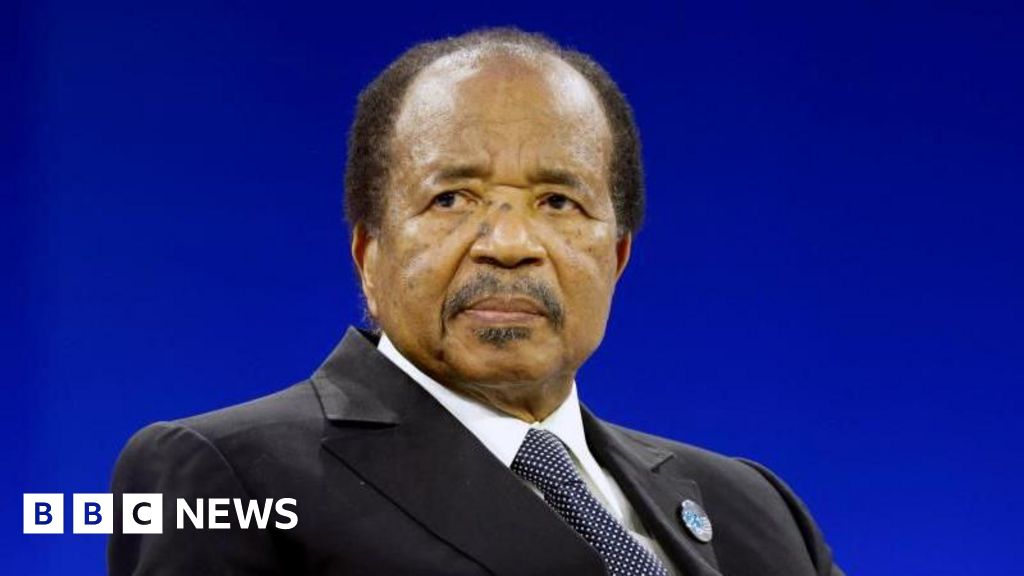
Cameroon’s Constitutional Council has declared President Paul Biya, aged 92, the victor of the recent presidential election, marking his eighth consecutive term in office. The official results show Biya receiving 53.7% of the vote, while his main challenger, Issa Tchiroma Bakary, garnered 35.2%. This outcome has elicited mixed reactions among the population, with some expressing disbelief in the face of earlier claims of a closer election.
Biya has been in power for 43 years, and his decision to continue for another seven-year mandate has been controversial. His leadership style, which often involves extended absences abroad, raises questions about the extent of his governance. Speculation exists regarding whether major decisions are made by him or by other senior officials within his administration.
In recent instances, particularly last year, there were periods where Biya was out of the public eye for weeks following international engagements, prompting concerns about his health. Even after reassurances of his presence in Geneva for official duties, there was a notable lack of updates until his return to Yaoundé, where he was met by supporters.
Some analysts describe Biya’s role as increasingly akin to a symbolic figure, while effective governance initiatives are managed by capable ministers. This dynamic has reportedly led to ongoing discussions about his potential succession, especially in light of the absence of a clear heir. His son’s name has emerged in conversations about future leadership, despite his lack of political interest.
Contrastingly, the security situation remains tense. Following the election announcement, protests erupted, with reports of security forces responding aggressively, including use of firearms. These events underscore the complexities of governance in Cameroon, particularly amid ongoing development and security challenges, including the long-standing crisis in the English-speaking regions.
Questions persist about the limits of public tolerance for Biya’s governance style and whether citizens are becoming increasingly dissatisfied with a political system that appears to offer little hope for change.
Source: https://www.bbc.com/news/articles/cwypqg8vnleo?at_medium=RSS&at_campaign=rss