
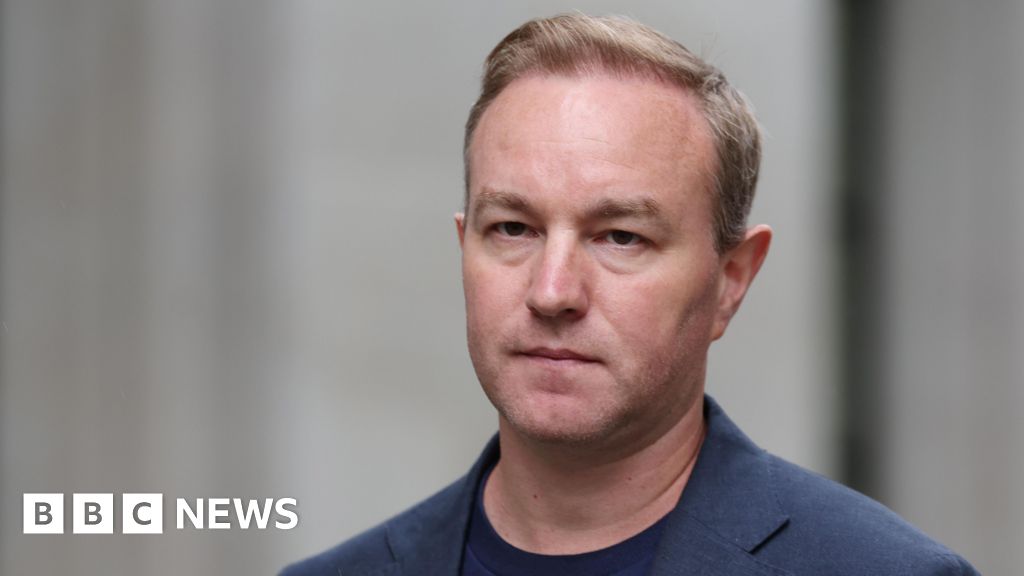
A former trader, Tom Hayes, who had his conviction for interest rate manipulation overturned, is suing his former employer, UBS. After a decade-long legal struggle, Hayes had his conviction quashed by the UK Supreme Court in July, which deemed the original prosecution unfair. He had been sentenced to prison in 2015 for manipulating rates tied to transactions between banks.
In his legal claim filed in a US court, Hayes is seeking $400 million in damages. He claims UBS portrayed him as a “hand-picked scapegoat” in connection with the Libor scandal, one of the major financial crises of 2008. UBS has not commented on the case.
The legal documents assert that Hayes is pursuing action against UBS to address what he perceives as deliberate efforts to ruin his life in order to protect the bank’s senior executives from repercussions and regulatory fines. His attorneys allege that UBS misled U.S. authorities and controlled the investigation into its own alleged misconduct, leading to a “fundamentally flawed” process that unfairly implicated Hayes as the primary perpetrator.
Hayes was initially indicted by the Serious Fraud Office and was among several traders targeted for manipulation of Libor and Euribor rates, which are critical for calculating loan costs. As the first banker convicted in this scandal, he was labeled by prosecutors as a central figure in the conspiracy. Following his release from prison in January 2021 and the dismissal of parallel charges in the U.S. in 2022, the Supreme Court’s ruling this past July raised significant concerns over the judicial process surrounding these prosecutions.
Hayes highlights the damaging effects of his conviction, stating that it resulted in personal losses, including his marriage and health challenges. He expresses hopes of using any potential winnings to support charities focused on rectifying wrongful convictions. The Libor scandal, which emerged publicly in 2012, revealed that banks were manipulating interest rates both to enhance profits and to obscure financial difficulties during the crisis.
Source: https://www.bbc.com/news/articles/cz6ngvenxj6o?at_medium=RSS&at_campaign=rss