
Hundreds of families in Northern Ireland have reportedly had their child benefit payments halted after returning through Dublin airport. This situation arises from a new government anti-fraud initiative that aims to track individuals leaving the country, specifically focusing on those who do not return within eight weeks. This has led to alerts at HM Revenue and Customs (HMRC) regarding potential emigration.
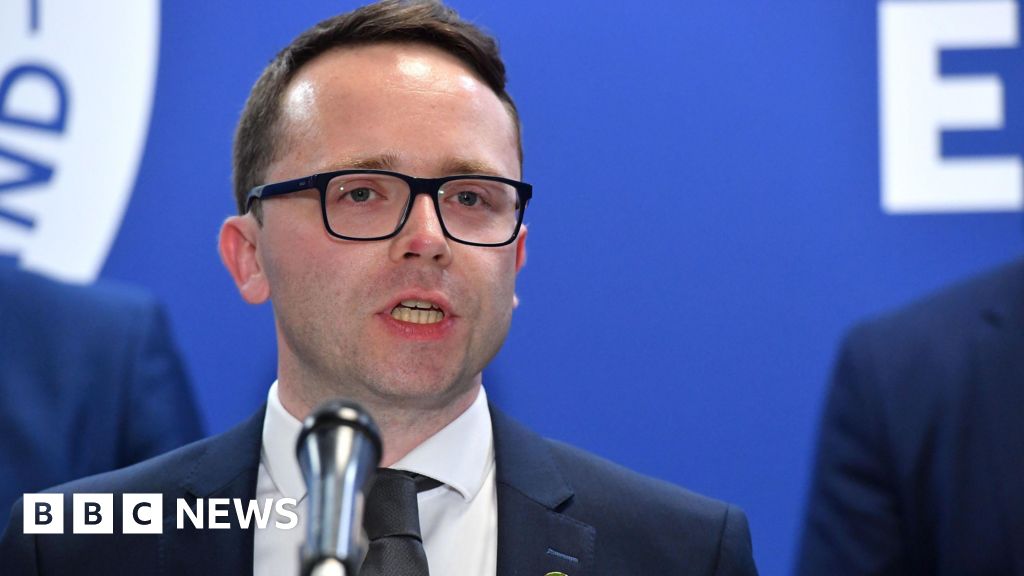
Sinn Féin MP Dáire Hughes represents 14 affected families and has described the system as “flawed.” HMRC has apologized for these issues and stated that they are working quickly to reinstate claims to ensure families are not financially disadvantaged.
The crackdown involves HMRC comparing its records with international travel data from the Home Office. Families returning to Northern Ireland via Dublin have been incorrectly identified as having traveled abroad and fraudulently claimed benefits. For example, some individuals have flown out from Belfast, returning through Dublin, while others have opted for cheaper travel from England back through Dublin. The Common Travel Area arrangement allows UK and Irish citizens to move freely between the two countries without routine passport checks, complicating HMRC’s ability to track travel accurately.
In response to these challenges, HMRC plans to implement an “upfront check” to identify Northern Ireland residents who travel to the Republic of Ireland, preventing any automatic suspension of their payments without prior verification of residency status.
As of October 17, 2025, HMRC reported that 346 enquiry letters had been sent to Northern Ireland residents, a small portion of the 219,255 individuals claiming child benefits in the region. They have reinstated payments for 134 families after conducting employment checks, while 46 cases remain under review. Child benefit is a critical support mechanism affecting over 6.9 million families and 11.9 million children across the UK. HMRC emphasizes its commitment to protecting taxpayer money through these measures.
Source: https://www.bbc.com/news/articles/c0kp7n62ym4o?at_medium=RSS&at_campaign=rss