
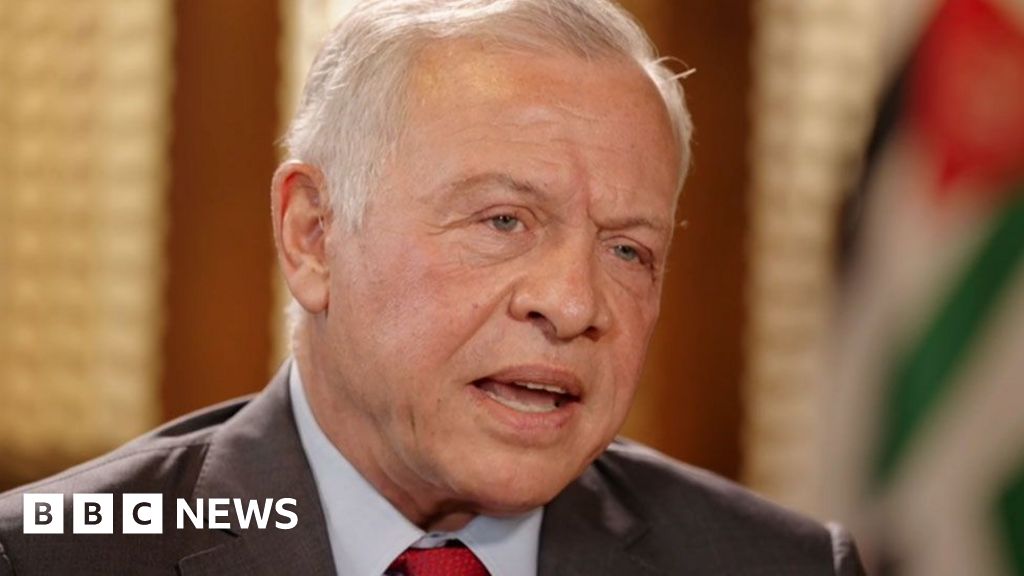
King Abdullah of Jordan has expressed that countries would be unwilling to take on a mandate to “enforce” peace in Gaza if deployed under the Trump administration’s ceasefire plan. The plan outlines that Arab states and international members are expected to commit stabilizing forces to train and support vetted Palestinian police, while Hamas is required to disarm and relinquish political control.
In an interview with BBC Panorama, King Abdullah emphasized the distinction between peacekeeping and peace enforcement. He stated that peacekeeping, which involves supporting Palestinian local police, would be acceptable, and Jordan and Egypt are prepared to train these forces. However, he indicated that armed patrols in Gaza would deter any involvement from nations.
The King’s remarks come amid concerns from international parties regarding entanglement in ongoing conflicts involving Hamas and Israel. He clarified that Jordan wouldn’t send forces into Gaza due to its political proximity to the issue, noting that a significant portion of Jordan’s population is of Palestinian descent, alongside millions of Palestinian refugees who have resettled in Jordan over decades.
Regarding the trustworthiness of Hamas to comply with the disarmament requirement, King Abdullah indicated uncertainty but noted that countries like Qatar and Egypt, which engage closely with Hamas, express optimism about their adherence.
In parallel, King Abdullah has made efforts to facilitate humanitarian aid to Gaza, focusing especially on evacuating sick and wounded children. Since the beginning of a recent crisis, 253 children have been evacuated to Jordan, with many others awaiting exit due to security checks conducted by Israel.
Queen Rania of Jordan also weighed in, criticizing the international community for not bringing the conflict to a resolution sooner and praising President Trump’s efforts in negotiating a ceasefire. She highlighted the dire situation faced by Palestinians during the ongoing conflict and expressed hope for a future of coexistence between Israelis and Palestinians, contingent upon international intervention.
The wider geopolitical context includes ongoing allegations from Israel against Hamas for prolonging hostilities and the recent international developments leading to an inquiry into war crimes surrounding the conflict.
Source: https://www.bbc.com/news/articles/cge5ngz11xpo?at_medium=RSS&at_campaign=rss