
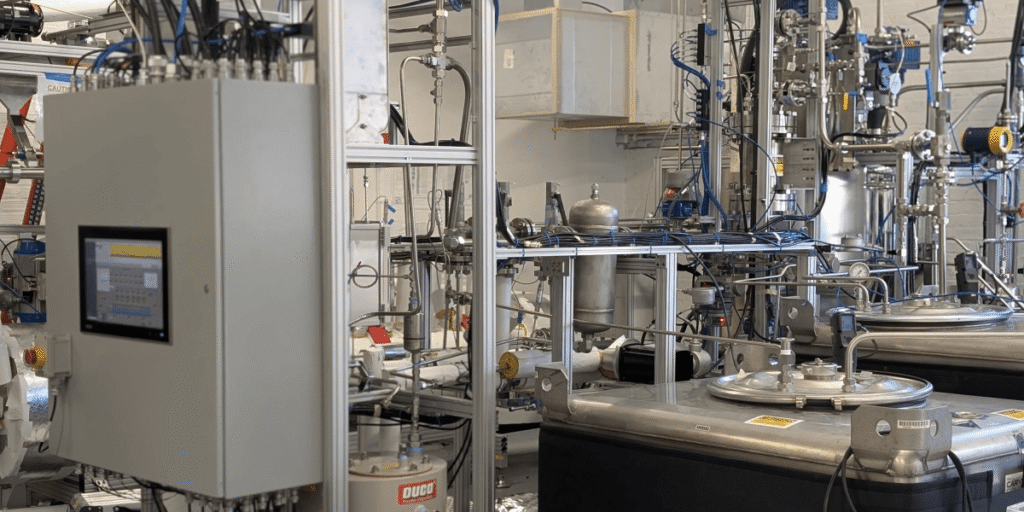
The initial phase of a new engine pilot aims to generate hot steam and hydrogen. The heat energy produced by the reactor can potentially be used in diverse applications across varying temperatures. The engine can produce superheated steam reaching up to 1,300 °C, which may facilitate electricity generation or chemical refining. Additionally, burning hydrogen could yield temperatures as high as 2,400 °C, sufficient for steel production.
The engine’s primary target is the aluminum refining and recycling sector, which already manages scrap metal and aluminum oxide supply chains. According to the project’s lead, companies in this industry are expressing interest in converting difficult-to-recycle aluminum waste into usable clean heat for re-melting processes. He noted that several firms have approached them for solutions addressing unrecyclable aluminum, which he characterized as a challenging issue for an industry focused on recycling.
Data from the International Aluminium Institute indicates that over 3 million metric tons of aluminum intended for recycling go unrecycled each year, while an additional 9 million metric tons remains uncollected or is buried with other waste, amounting to nearly a third of the 43 million metric tons recycled annually.
While recovering all unused aluminum scrap could make a significant impact, it would still only meet a portion of the total industrial heat demand. The goal is to develop a “closed loop” system wherein aluminum hydroxide produced in the reactor could be converted back into aluminum metal using clean electricity, potentially satisfying global industrial heat needs through the use of approximately 300 million metric tons of aluminum—around 4% of the Earth’s known aluminum reserves.
However, the necessary energy for recharging the aluminum hydroxide could present challenges. Experts suggest that if the aluminum fuel acts primarily as an energy storage solution, it may remain viable if recharged with cost-effective, clean electricity, which might be increasingly difficult to secure in the future. Despite these challenges, the project lead remains optimistic about the engine’s potential output, claiming it might reach half a megawatt, though full testing has yet to be conducted.
Source: https://www.technologyreview.com/2025/10/23/1126397/startup-aluminum-zero-carbon-fuel/