
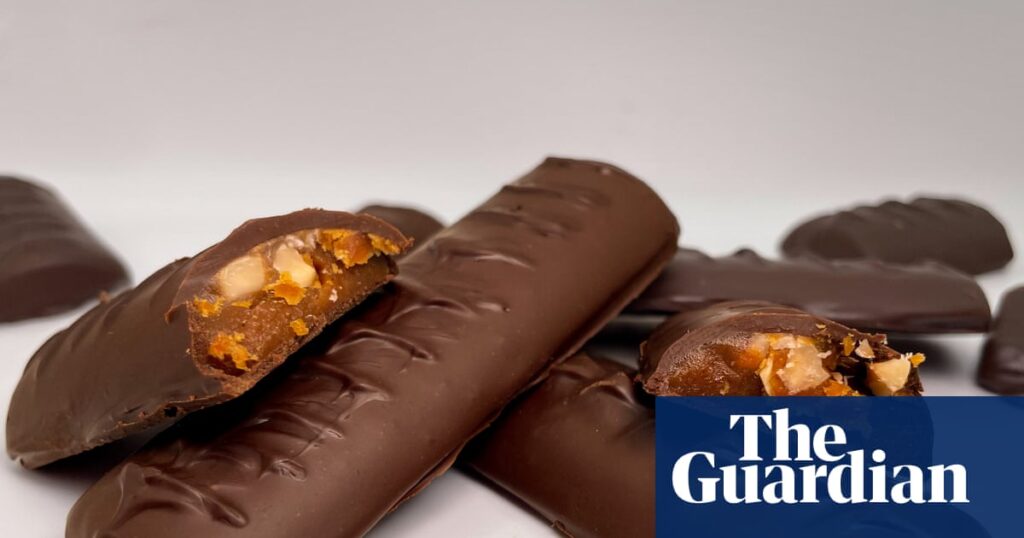
A UK company is introducing cocoa-free chocolate using rice as the primary ingredient. This initiative forms part of a broader trend among chocolate producers exploring alternative ingredients and technologies aimed at sustainability while reducing reliance on traditional cacao beans. The rising costs associated with cacao have led some brands to adapt their recipes, resulting in products that are now classified as “chocolate flavouring.” Notable examples include McVitie’s Penguin and Club bars, as well as KitKat White and McVitie’s White Digestives, which have been rebranded due to insufficient cocoa content.
The climate crisis, alongside issues such as deforestation, is increasingly destabilizing cacao production. Rising global demand for chocolate is further straining supply chains. Mark Golder, chief executive of the cocoa-free chocolate maker Win-Win, highlighted that cocoa prices have surged over 300% in the last three years, significantly impacting smaller businesses’ viability.
Win-Win’s approach involves using fermented cereals and legumes to mimic the qualities of chocolate. Golder noted an increase in interest for such alternatives, citing ongoing inquiries from customers across Europe in recent months. The production of cocoa primarily relies on regions facing environmental and social challenges, including child labor and deforestation.
Other companies are also developing innovative substitutes. Swiss chocolate manufacturer Barry Callebaut is exploring cell-cultured chocolate, made by growing cacao cells in a lab. German company Planet A Foods is using oats and sunflower seeds, claiming their method reduces carbon emissions and water usage significantly. In the U.S., Voyage Foods has created a chocolate-like product from grape seeds and shea butter, securing significant investment for scaling operations.
Despite these innovations, experts caution consumers about the nutritional implications of cocoa-free products. Prof. Tim Spector remarked that while these alternatives may be environmentally friendly, they may not replicate the health benefits provided by traditional dark chocolate.
Source: https://www.theguardian.com/business/2025/oct/25/raising-the-bar-chocolate-makers-using-more-sustainable-ingredients