
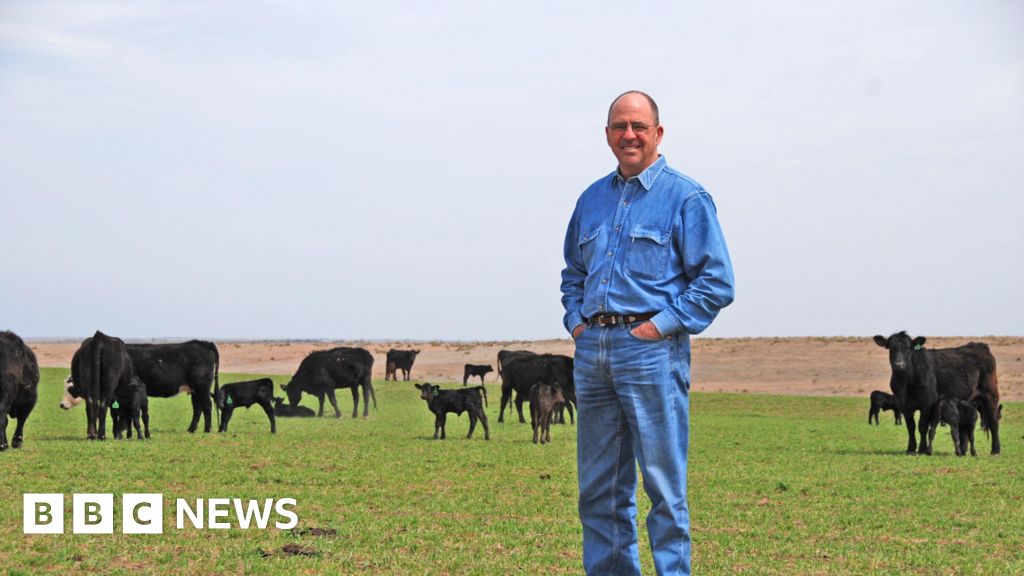
Beef prices in the United States have reached a level that is increasingly viewed as a political issue. Former President Donald Trump recently expressed concern over rising prices affecting grocery bills, calling on ranchers to lower cattle prices on social media. This appeal has drawn criticism from ranchers who argue that proposed solutions may jeopardize their livelihoods and do little to alleviate consumer costs.
The number of beef cattle farmers in the U.S. has declined significantly since 1980, resulting in reduced domestic supplies amid high demand. The cattle inventory has hit its lowest point in nearly 75 years, with over 150,000 ranches closing since 2017, representing a 17% decrease, according to the Agriculture Department. Ranchers face challenges from decades of consolidation among meat processors, along with increasing costs for essentials like fertilizer. Additionally, years of drought have forced ranchers to reduce herd sizes.
Recent inflation data indicates that retail prices for ground beef rose by 12.9% in the year leading up to September, while beef steaks increased by 16.6%. This is substantially higher than the general food inflation rate of 3.1%. Experts predict that prices will remain high until at least the end of the decade, primarily due to the prolonged duration necessary to rebuild cattle herds.
In response to these issues, the Agriculture Department announced a new initiative aimed at increasing domestic beef production by expanding available land for grazing and supporting smaller meat processors. However, Trump’s considerations of increasing beef imports from Argentina have met discontent, even from members of his own party, who believe it would negatively impact American cattle producers without effectively lowering grocery prices.
Market concentration in the meat processing industry remains a critical concern, with just four companies controlling over 80% of the beef market. Ranchers advocate for a focus on dismantling this consolidation as a solution to current challenges. Some ranchers have sought alternative business strategies, such as bypassing middlemen to sell directly to consumers, but many lack the financial resources to make such changes. The overall sentiment suggests skepticism about whether current political proposals will address the underlying issues facing the beef industry.
Source: https://www.bbc.com/news/articles/cr7m2pd3810o?at_medium=RSS&at_campaign=rss