
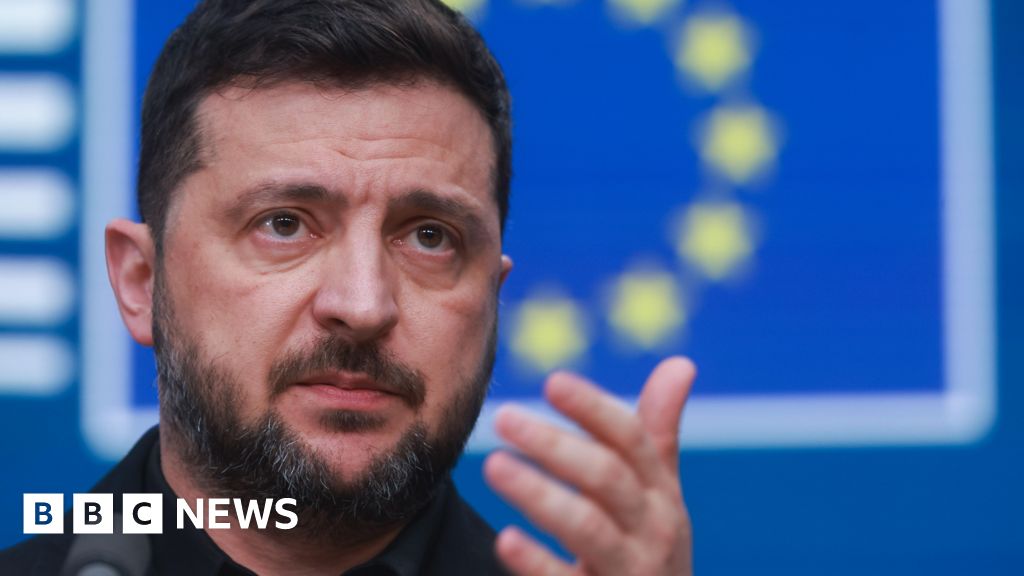
European Union leaders reached an agreement on Thursday to support Ukraine’s financial requirements over the next two years but did not approve the release of frozen Russian assets to assist with the nation’s defense. The proposal to utilize €140 billion in Russian funds held in a Belgian clearing house has been deferred until December due to concerns raised by Belgium.
Discussions among European ministers in Brussels focused on how to access these frozen Russian funds, framing them as potential “reparations loans” for Ukraine. While many EU governments anticipated a resolution that would have the European Commission devise a legal framework by the coming weeks, the adopted statement did not endorse this approach. Instead, it requested the Commission to explore financial support options based on Ukraine’s assessed funding needs, emphasizing that Russian assets would remain immobilized until Russia ceases its military actions against Ukraine.
EU leaders are now targeting a decision in December. European Commission President Ursula von der Leyen acknowledged the complexity of the issue, indicating that clarifications are still necessary. Antonio Costa, President of the European Council, remarked that the bloc is committed to covering Ukraine’s financial needs.
Ukrainian President Volodymyr Zelensky, present at the summit, viewed the results as a sign of political backing for the idea of using Russian assets in support of Ukraine’s efforts. Nevertheless, there are notable legal challenges concerning the utilization of these assets, particularly since Belgium is cautious about potential legal repercussions from Russia, which has condemned the EU’s proposals.
Recent U.S. sanctions targeting Russia’s oil sector coincide with these discussions, with President Trump indicating a postponement of a planned meeting with President Putin due to the ongoing tensions. The U.S. sanctions have provoked comments from Russia regarding potential retaliation. Meanwhile, the EU’s sanctions have also included measures against Chinese companies involved in the Russian oil trade, drawing condemnation from China.
Source: https://www.bbc.com/news/articles/cn8v0zyx9zyo?at_medium=RSS&at_campaign=rss