
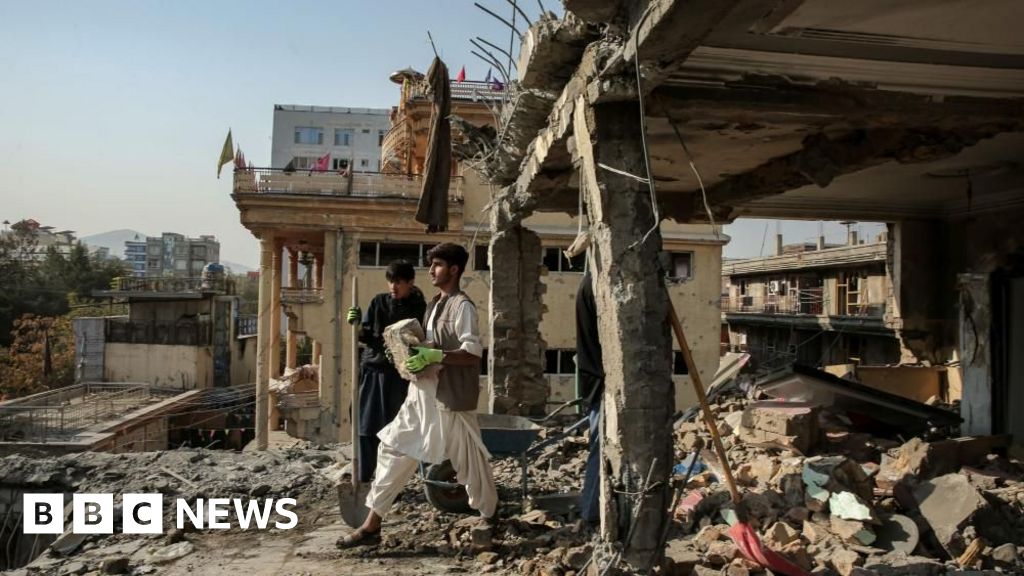
Pakistan and the Taliban government of Afghanistan have reached an agreement for an “immediate ceasefire” following more than a week of intense fighting. Qatar’s foreign ministry, which facilitated discussions with Turkey, indicated that both parties have committed to creating frameworks aimed at achieving enduring peace and stability.
Zabihullah Mujahid, a spokesman for the Taliban, remarked on the importance of stopping “hostile actions,” while Pakistan’s foreign minister described the agreement as an initial positive step. Both sides have reported significant casualties during the clashes, marking the most severe conflict since the Taliban’s return to power in 2021.
Pakistan has long alleged that the Taliban provides refuge to militant groups responsible for attacks within its borders, claims that the Taliban has denied. Tensions escalated along their 1,600-mile mountainous border after accusations arose that Pakistan had conducted attacks on Kabul. Speculation suggested that recent explosions in Kabul may have targeted Noor Wali Mehsud, the leader of the Pakistani Taliban. Mehsud subsequently issued an unverified voice note asserting his survival.
In the aftermath, Afghan forces reportedly targeted Pakistani border posts, leading to retaliatory mortar fire and drone strikes from Pakistan. The UN Assistance Mission in Afghanistan documented the deaths of at least three dozen Afghan civilians and hundreds of injuries.
A temporary truce was announced during negotiations in Doha; however, cross-border hostilities persisted. Reports on Friday detailed an alleged Pakistani airstrike that resulted in eight fatalities, including three local cricket players. Under the new ceasefire agreement, the Taliban committed to not supporting groups that attack the Pakistani government. Both nations agreed to avoid targeting each other’s security personnel, civilians, and critical infrastructures.
Pakistan’s Defense Minister Khawaja Asif stated that the ceasefire would effectively put an end to terrorism originating from Afghanistan. Further discussions are planned in Istanbul next week. Historically, Pakistan had supported the Taliban after its ousting in 2001, but relations soured as Islamabad accused the group of sheltering the Pakistani Taliban, which has conducted numerous attacks against Pakistani forces over the last year.
Source: https://www.bbc.com/news/articles/cze6nzpl74do?at_medium=RSS&at_campaign=rss