
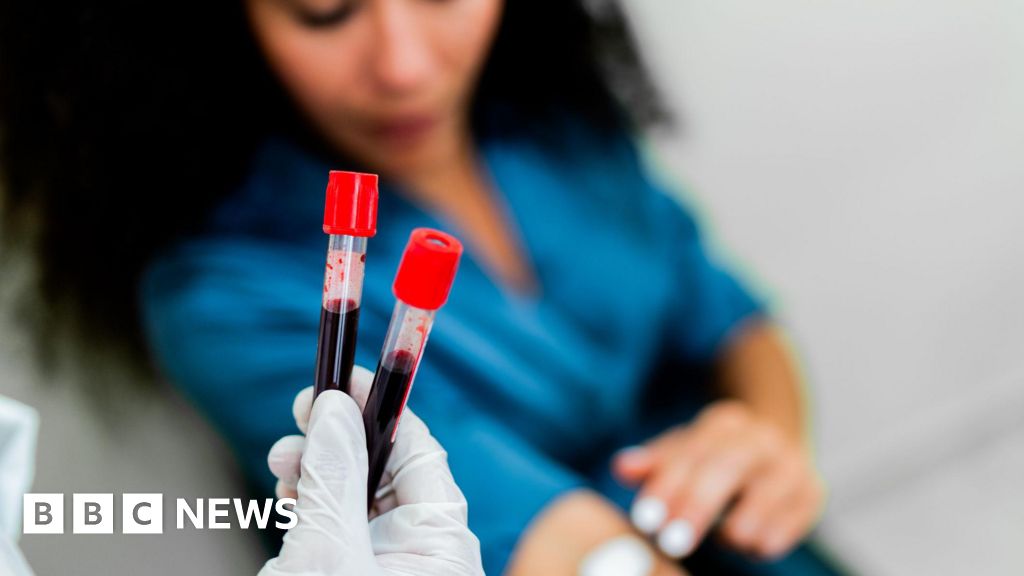
A recent study indicates that a blood test capable of detecting over 50 types of cancer may expedite diagnoses. Conducted in North America, the trial involved 25,000 adults, revealing that the test could identify various cancers, many of which currently lack screening programs. Notably, more than half of the cancers were detected at an early stage, increasing the likelihood of successful treatment.
The test, known as the Galleri test and developed by the American pharmaceutical company Grail, detects small fragments of cancerous DNA found in the bloodstream. Early trials have shown promising results; nearly one in 100 participants received a positive result, with 62% of those later confirming a cancer diagnosis. It is currently under trials in the NHS as well.
In the trial, the test accurately ruled out cancer in over 99% of negative cases. When used alongside existing breast, bowel, and cervical cancer screenings, it reportedly increased the overall detection rate of cancers sevenfold. Interestingly, a substantial proportion of the cancers identified lacked any current screening methods, including ovarian, liver, stomach, bladder, and pancreatic cancers. Additionally, the test effectively pinpointed the origin of the cancer in 90% of cases.
While these outcomes suggest the test could significantly enhance early cancer detection, experts not involved in the study caution that further evidence is necessary to determine whether this early detection translates into reduced cancer mortality rates. A three-year trial involving 140,000 NHS patients in England is anticipated to provide more definitive data, with results expected next year. The NHS has indicated that a positive outcome could lead to the testing being extended to an additional one million people.
The topline results of the study will be presented at the European Society for Medical Oncology congress in Berlin, though full details have yet to be peer-reviewed.
Source: https://www.bbc.com/news/articles/c205g21n1zzo?at_medium=RSS&at_campaign=rss