
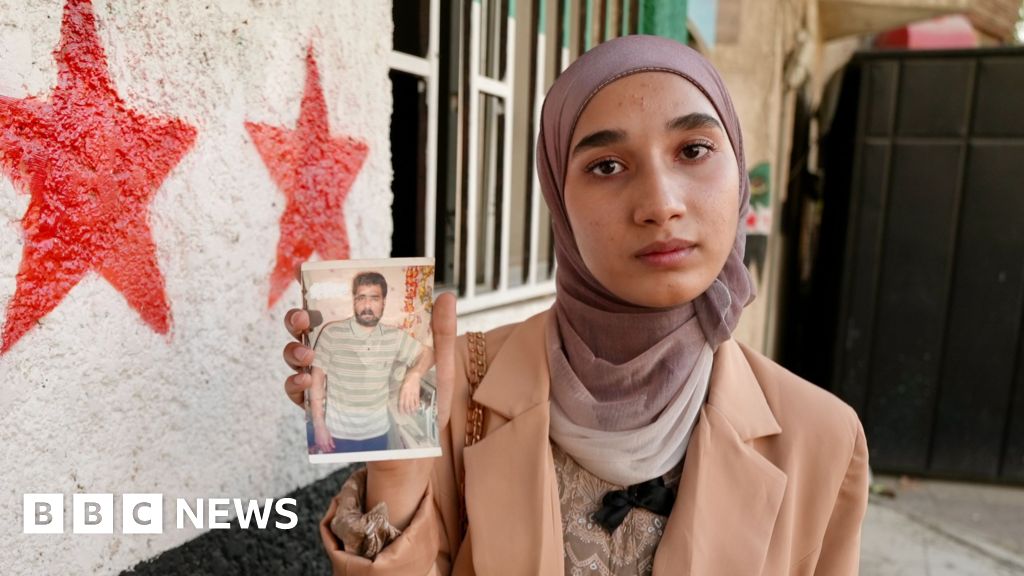
In Eastern Ghouta, near Damascus, the discovery of human remains at various sites is raising concerns regarding the legacy of the Assad regime. A recent find in al-Otaiba village involved the unearthing of clothing and human bones by a shepherd, leading authorities to estimate that as many as 175 bodies may be buried in a mass grave. Currently, over 60 grave sites have been identified in the region, indicating the widespread issue of forced disappearances during the Syrian civil war.
According to the Syrian Network for Human Rights, more than 181,000 individuals were forcibly disappeared or arbitrarily detained since the conflict began, with a staggering 90% attributed to Assad’s regime. Families of the missing are vocalizing their demands for answers and justice during Syria’s transitional phase, marked by a recent parliamentary election, which has been criticized by some as lacking genuine democratic legitimacy.
President Ahmed al-Sharaa, the new interim leader, has stated that addressing the issue of the missing is a “national priority.” Despite the turmoil, efforts to memorialize victims continue, as families seek closure and accountability. In community gatherings known as “Truth Tents,” relatives share their experiences while highlighting the psychological toll of their loved ones’ disappearances.
Survivors of past conflicts, such as Bilal, recount harrowing memories of ambushes and attacks, including an event involving the deaths of many civilians during a convoy escape attempt in 2014. As hope for accountability hangs in the balance, a National Commission for Missing Persons has been established, yet it continues to face significant resource challenges. With the issue of the missing remaining prominent, many in Syria are left wondering about the potential for justice and resolution amid ongoing instability.
Source: https://www.bbc.com/news/articles/cj07p5zm229o?at_medium=RSS&at_campaign=rss