
SFTSV YL-1 Causes Disease in C57BL/6J Mice
Researchers have developed a lethal challenge model for Severe Fever with Thrombocytopenia Syndrome Virus (SFTSV) YL-1 using C57BL/6J mice treated with an antibody that inhibits type I interferon (IFN) responses. The model was established due to SFTSV’s limited pathogenicity in wild-type mice. In the study, groups of mice were inoculated with varying doses of SFTSV. Weight loss occurred between days 2 and 4 post-infection, with weight recovery observed in mice losing less than 25% of body weight. The median lethal dose (LD50) for virus YL-1 was determined to be 1 TCID50. Euthanized mice exhibited symptoms such as altered gait and decreased responsiveness. Following the establishment of this model, researchers proceeded to test the efficacy of two candidate vaccines, repNP and repGPC.
Vaccine Evaluation
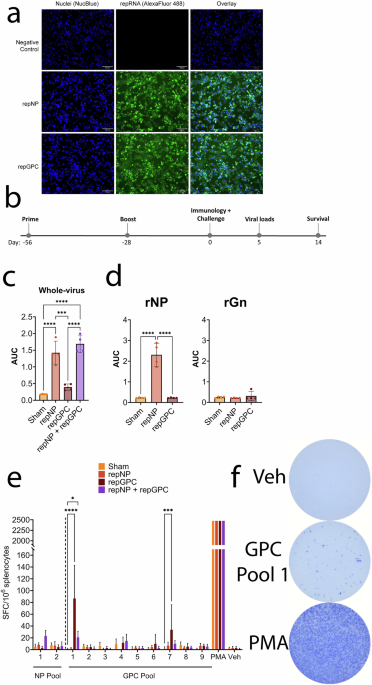
The replicating RNA vaccines, particularly repNP, demonstrated robust humoral immunity with varying efficacy against SFTSV. Mice vaccinated with repNP displayed strong anti-SFTSV responses, while those given repGPC had a significantly weaker antibody response. When challenged with SFTSV, mice receiving any vaccine exhibited greater resilience compared to sham-vaccinated groups. Importantly, mice administered both repNP and repGPC resulted in optimal protection, highlighting a potential synergy in the vaccine formulation. Further analysis revealed that histopathological changes were significantly reduced in vaccinated mice compared to controls.
Conclusion
The results illustrate the potential of repRNA vaccines in enhancing protection against SFTSV, marking a step forward in vaccine development initiatives.
- Why it matters:
- The findings indicate an advancement in vaccine development for SFTSV, supporting public health efforts in controlling viral diseases.
- This research further emphasizes the significance of understanding immune responses for effective vaccine design.
- The latest:
- Combination vaccines demonstrating synergistic effects show promise in improving vaccination strategies for SFTSV and possibly other viral infections.
Source: https://www.nature.com/articles/s41541-025-01269-9
Source: https://www.nature.com/articles/s41541-025-01269-9