
In Skardu, Pakistan, Wasiyat Khan, a shepherd from the Roshan Valley in Ghizer, experienced a startling night when he was awakened by a loud explosion. Initially fearing that a landslide was imminent, he quickly realized the sound was from a glacier bursting. While seeking safety with his family, he was concerned for the nearby villages potentially impacted by the resulting flood.
With no immediate external assistance possible at their high altitude, Wasiyat managed to find a mobile signal and alerted approximately 300 villagers, ensuring their evacuation. He later reported that, while they were unharmed, their temporary shelter and possessions were destroyed by the floodwaters. Fortunately, all the villagers were evacuated safely without loss of life.
Glacial lake outburst floods (GLOFs) are common in northern Pakistan, which has about 13,000 glaciers. According to the National Disaster Management Authority (NDMA), the adverse effects of climate change are expected to aggravate these incidents, as snowfall in the region is projected to be below average, leading to accelerated glacier melting.
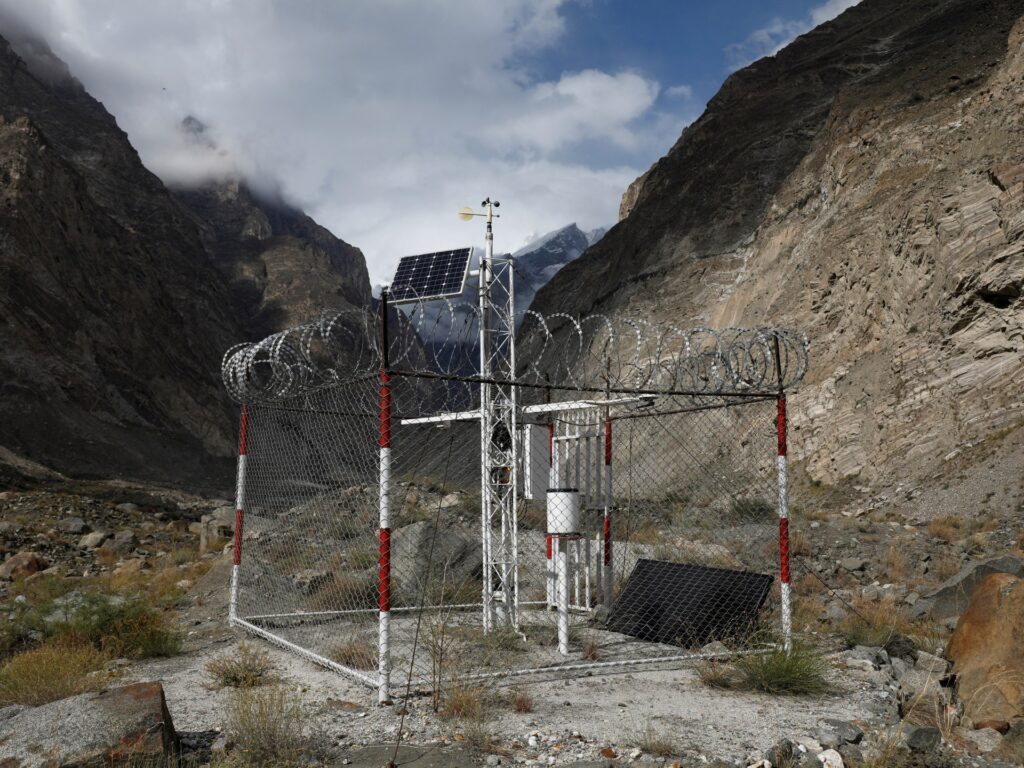
To mitigate risks, the Pakistani government has invested in early warning systems (EWS) that use real-time data to warn communities of imminent hazards. However, many local residents express a preference for traditional knowledge over technology, relying on community signals and natural indicators to predict flooding. Instances of successful communication, such as Wasiyat’s, highlight how local methods may complement or even surpass tech-based systems in effectiveness.
Despite significant investments in EWS, reports suggest a lack of trust among communities due to equipment malfunctions and insufficient involvement of locals in the systems’ implementation. Some residents question the reliability of these systems, prompting calls for investigations into their effectiveness.
As climate-related risks continue to escalate, the reliance on individual community members, known for their prompt responses during emergencies, may be more vital in ensuring safety than technological solutions currently in place.
Source: https://www.aljazeera.com/news/2025/10/13/how-indigenous-knowledge-is-aiding-pakistans-fight-against-climate-change?traffic_source=rss