
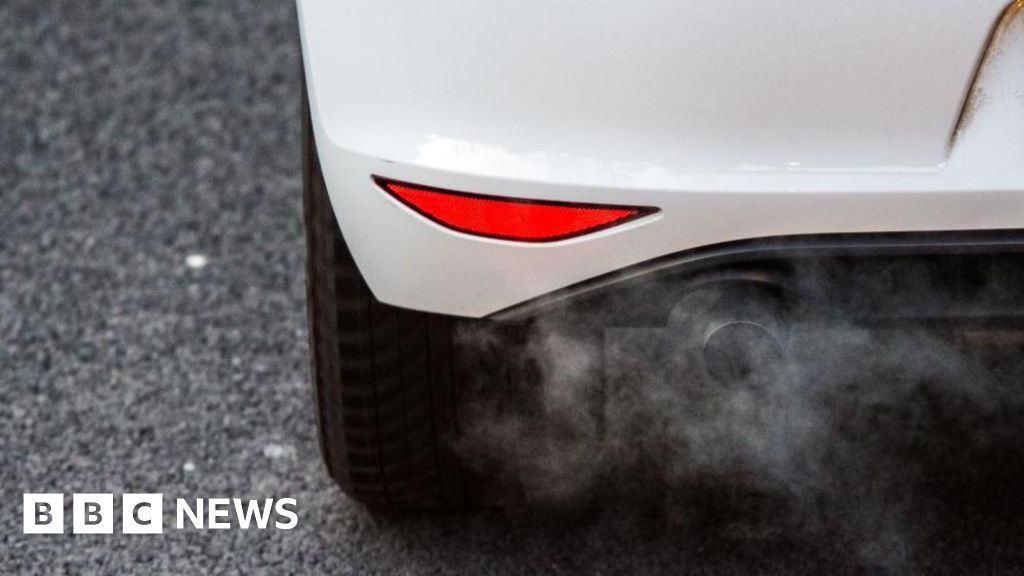
A significant legal case against five major car manufacturers is set to commence at the High Court, involving allegations of emissions test manipulation. The companies—Mercedes, Ford, Peugeot/Citroën, Renault, and Nissan—are accused of employing software that allowed their vehicles to lower emissions readings during testing. This trial arises from the ongoing “dieselgate” controversy and could potentially involve around 1.6 million car owners.
Court-selected as lead defendants, these five companies are the initial focus of this extensive class action suit, which claims to represent 220,000 affected car owners. The implications of the trial are broad, as a verdict against the defendants may open pathways for claims against nine additional manufacturers facing similar allegations.
The dieselgate issue first surfaced in September 2015 when the U.S. Environmental Protection Agency accused Volkswagen of installing defeat devices that manipulated emissions readings in diesel vehicles. A 2020 High Court ruling found that Volkswagen had violated European Union regulations by employing such devices, leading to a substantial out-of-court settlement in which Volkswagen paid £193 million to 91,000 British motorists. The company has since incurred over €32 billion in costs related to the crisis, primarily in the U.S.
The High Court’s examination will focus on whether these five automakers used systems designed to circumvent environmental laws. It is asserted that these defeat devices enabled vehicles to detect when they were undergoing testing, thus modifying their performance to generate lower nitrogen oxide emissions. If the plaintiffs prevail, it may reveal the extent of deception regarding vehicle emissions.
Although proceedings are set to begin, a ruling is not anticipated until summer 2026, with a subsequent trial for determining compensation potentially scheduled for autumn of the same year. The accused manufacturers maintain that the allegations lack merit and assert their compliance with regulatory standards during the relevant period.
Source: https://www.bbc.com/news/articles/cjr5epw8dweo?at_medium=RSS&at_campaign=rss