
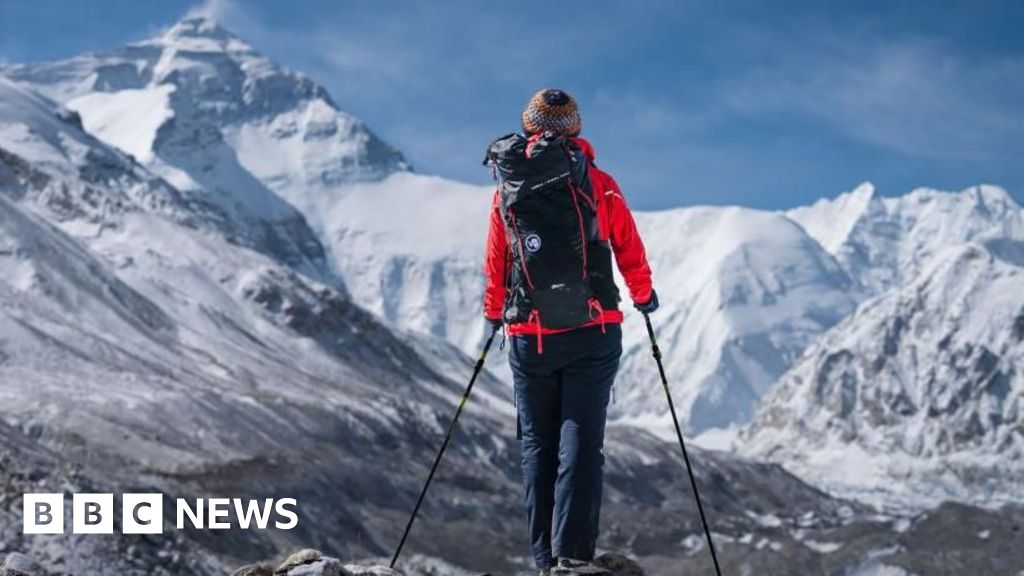
Recent weather patterns in the Himalayas, particularly during the autumn hiking season, are becoming increasingly unpredictable. Traditionally known for clear skies and calm conditions, this period has seen the monsoon extend into the fall, altering standard weather expectations. For over a decade, meteorologists have observed significant episodes of extreme rainfall during what was once considered mountain tourism season.
Recently, a blizzard stranded hundreds of tourists near Mount Everest for days under freezing conditions, compelling rescue operations that successfully brought nearly 600 trekkers to safety. Tragically, one individual succumbed to hypothermia and altitude sickness. Similar weather-related incidents have occurred, such as the death of a South Korean climber on Mera Peak. Communication disruptions from heavy rainfall and snow contributed to delayed reporting of these events, with estimates indicating around 60 fatalities due to landslides and flash floods in Nepal within a week.
The delayed monsoon, typically concluding in mid-September, has now been observed extending into October. Experts, like Archana Shrestha from Nepal’s meteorological department, have noted that at least one extreme weather event has coincided with the tail end of this season in most years over the last decade. Heavy precipitation during October, exemplified by recent blizzards, poses significant risks to trekkers and mountaineers.
Weather scientists attribute these changes to a combination of factors, including rising atmospheric moisture levels due to global warming. Increasing interactions between monsoons and westerly disturbances, systems originating from the Mediterranean that typically bring colder weather, have led to more intense storms. This phenomenon is pushing weather patterns that were once predictable into a more unstable regime, raising concerns among the climbing community about the reliability of weather forecasts and the safety of outdoor activities in the region.
Source: https://www.bbc.com/news/articles/cx2jwgnwmezo?at_medium=RSS&at_campaign=rss