
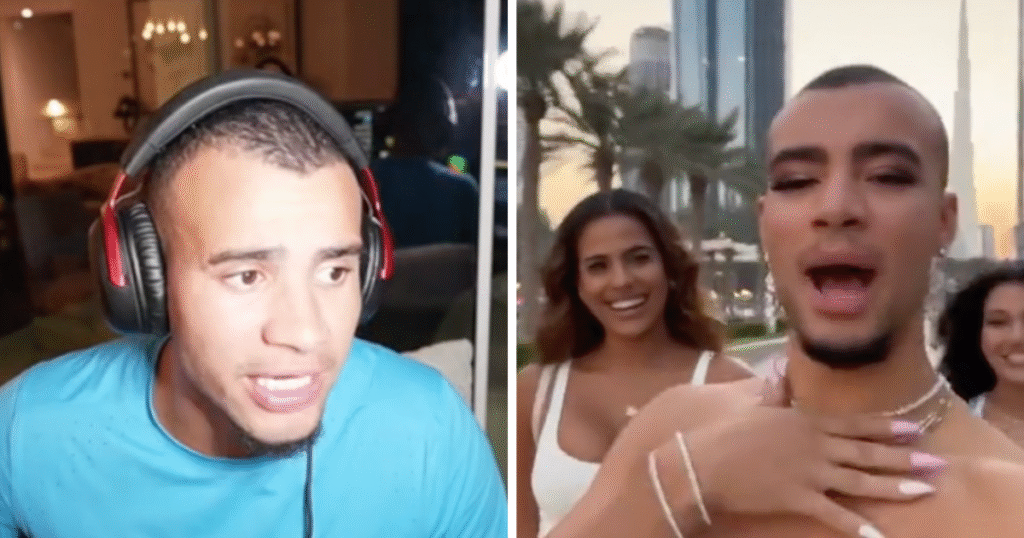
This month, OpenAI released a new AI application called Sora, which allows users to create realistic videos by entering short prompts. The app quickly gained popularity, becoming the most downloaded free app, particularly on TikTok, where users created viral content featuring personalities like Jake Paul and HSTikkyTokky.
While Jake Paul, who utilizes the app to create content, appears to accept its use of his likeness, HSTikkyTokky expressed dissatisfaction, stating that the generated videos distort his image. On a recent live stream, he described the portrayals, particularly those suggesting he enjoys makeup, as defamatory and threatened legal action against further misrepresentations.
In response to the backlash, OpenAI announced plans to revise Sora’s operational framework. Previously, the app had an “opt-out” system, meaning that individuals had to manually indicate their preference regarding the use of their likeness in AI-generated content. The company’s CEO, Sam Altman, stated that they will implement a more user-friendly “opt-in” model that offers individuals greater control over how their likeness may be used in the future.
Currently, Sora is available for download on iPhones, but utilizing its full capabilities requires an invite code.
- Why it matters: The controversy surrounding Sora highlights the growing concerns about likeness rights in AI-generated content, impacting how businesses approach digital marketing.
- The latest: OpenAI plans to implement an opt-in model for likeness usage in response to user backlash.
Source: https://thetab.com/2025/10/10/ai-app-sora-has-been-forced-to-make-changes-after-those-viral-hstikkytokky-videos
Source: https://thetab.com/2025/10/10/ai-app-sora-has-been-forced-to-make-changes-after-those-viral-hstikkytokky-videos