
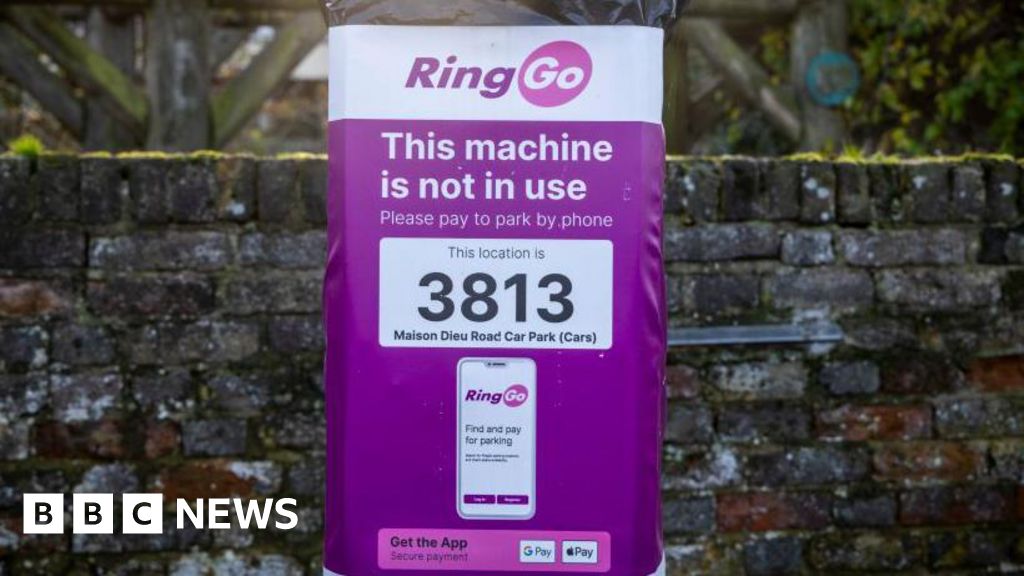
The RAC has expressed concerns regarding the increasing reliance on mobile apps for parking payments. A recent survey conducted by the organization revealed that 75% of drivers encountered issues with these applications. The most prevalent problems included poor phone signals in car parks and apps failing to recognize the specific parking location.
These findings emerge as the government approaches the expansion of its National Parking Platform (NPP), which aims to consolidate various parking systems into a singular application. While the RAC supports this initiative, they emphasized the necessity for more local authorities and parking operators to participate.
Rod Dennis, a senior policy officer at the RAC, argued that parking operators should provide drivers with at least two payment options. He noted that the process of parking should generally be straightforward, yet navigating multiple apps—each requiring separate account registrations and details—can complicate matters. Dennis highlighted that not all individuals are comfortable using mobile apps, particularly those without smartphones or those who are less technologically adept.
The RAC’s survey of 1,700 individuals found that 13% were unaware they could pay for parking via an app, with this figure rising to 26% among respondents aged 75 and older. Almost half of those surveyed preferred paying by card or contactless methods.
Feedback from drivers at a Manchester Q-Park indicated mixed experiences with the apps. While some found them convenient, others reported difficulties, including a recent incident involving a ticket issued due to app connectivity issues.
Following a trial in ten English local authorities, the NPP is set to be rolled out nationally, although participation by parking operators is voluntary. The NPP is managed on a not-for-profit basis by the British Parking Association (BPA), which advocates for accessible parking solutions. The BPA stated that while the use of parking apps is increasing, it is essential that technology accommodates all users, and they encourage a variety of payment options to suit diverse needs.
Source: https://www.bbc.com/news/articles/ce847ngn7n8o?at_medium=RSS&at_campaign=rss