
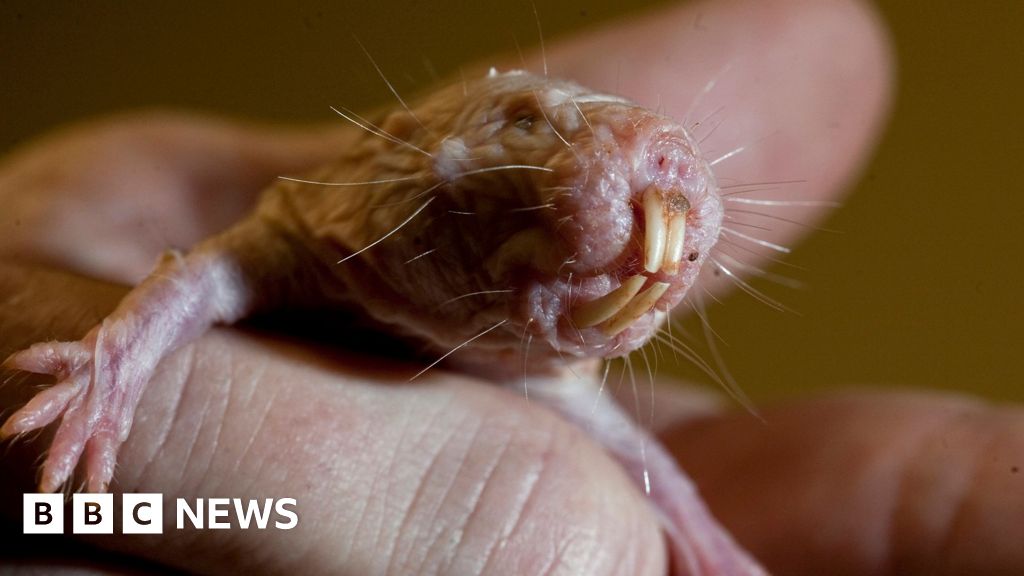
A recent study has unveiled insights into the longevity of naked mole rats, a species known for living up to 40 years, significantly longer than typical rodents like mice, which average around three years. This research, published in the journal Science, highlights a unique DNA repair mechanism that may underlie this extended lifespan and their resistance to various age-related diseases, including cancer and arthritis.
The study, led by researchers at Tongji University in Shanghai, focused on the protein c-GAS, involved in the cellular DNA repair process. In humans, c-GAS tends to hinder the DNA repair process, potentially promoting cancer and reducing lifespan. Conversely, in naked mole rats, the same protein appears to facilitate DNA repair, thereby maintaining genetic integrity.
Professor Gabriel Balmus, a DNA repair and aging expert at the University of Cambridge, noted the significance of this finding, suggesting it could be a key to understanding why naked mole rats have evolved such remarkable longevity. He described c-GAS as akin to a biological “Lego piece” that has been reconfigured through evolution, allowing it to serve a different function in these animals compared to humans.
The implications of this research raise several intriguing questions about evolution and its ability to reprogram biological mechanisms. What specific changes allowed this divergence to occur, and is this alteration unique to naked mole rats? Moreover, the study provokes further inquiry into how the insights gained from these rodents could inform human health and longevity.
Researchers aim to explore the possible applications of these findings in developing therapies that may enhance quality of life as humans age. Understanding the biology of naked mole rats could provide valuable lessons for extending human lifespan and improving resistance to age-related conditions.
Source: https://www.bbc.com/news/articles/cz7rxy21lxwo?at_medium=RSS&at_campaign=rss